-
25: Kentish Rag Pt2 – Fox’s Quarry and the Loose Valley near Maidstone.
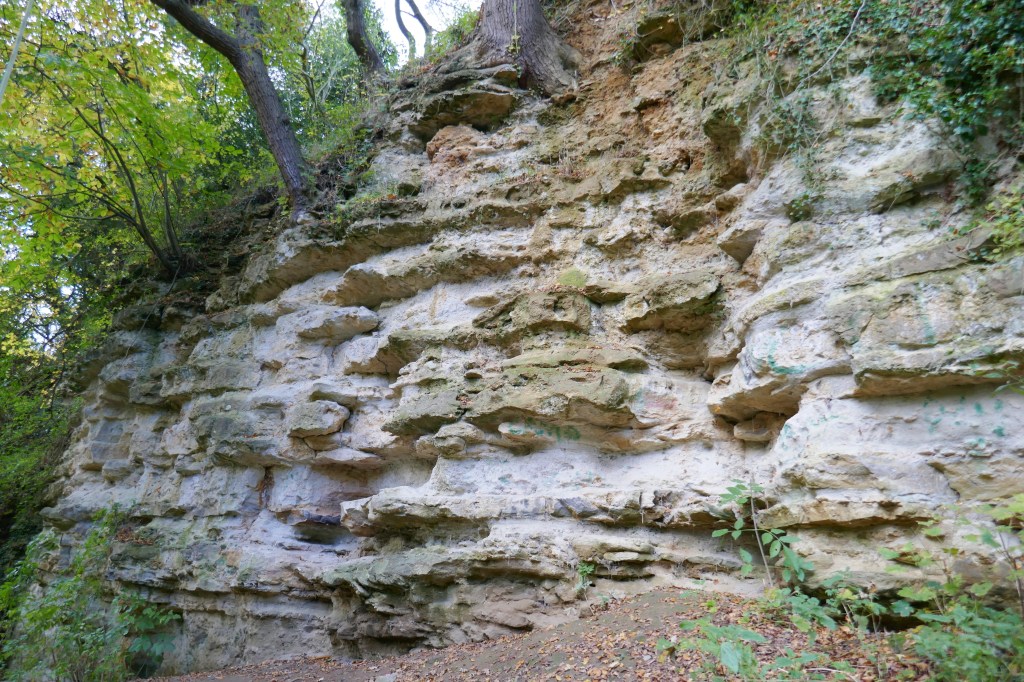
In the previous post I, hopefully, have showed how important Kentish Ragstone is to building London, and, as part of the objective of this blog is to trace London’s building materials to their source, a few months ago I visited a number of abandoned quarries near Maidstone, and I have more visits planned. The…
-
24: Kentish Ragstone – an introduction to the most important historical stone in London
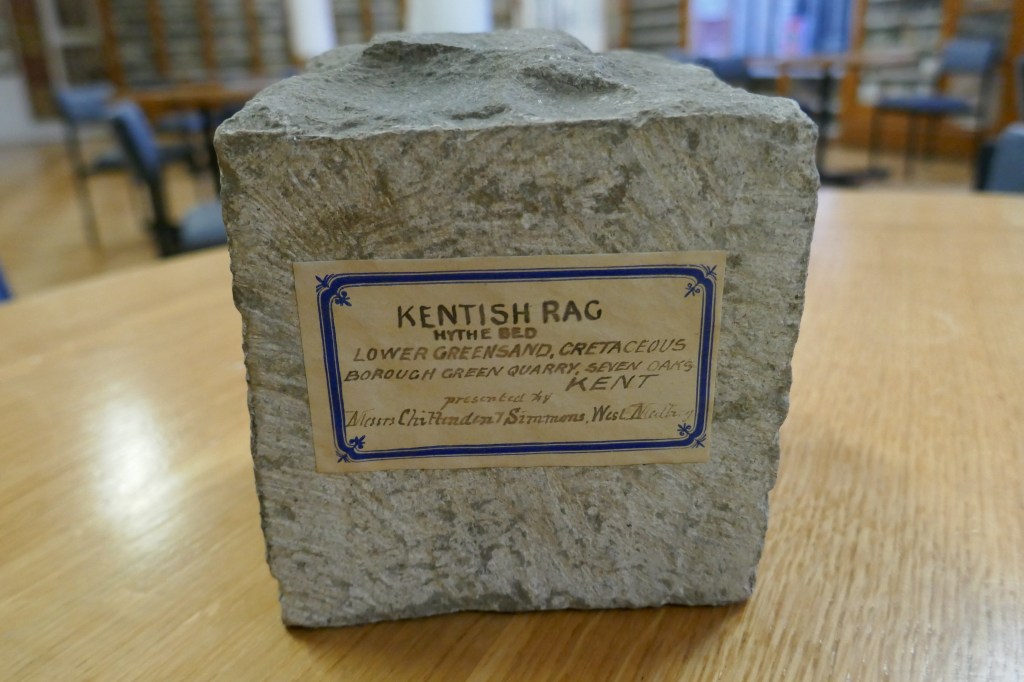
London is underlain with rock, but it’s not the type of rock that we generally think of as rock. Most of London sits on up to 140m of clay, though a few areas in south-east London sit on chalk. And while technically rock, clay needs to be baked to become a building material, brick, and…
-
23: The John Watson Building Stones Collection at the Sedgwick Museum in Cambridge
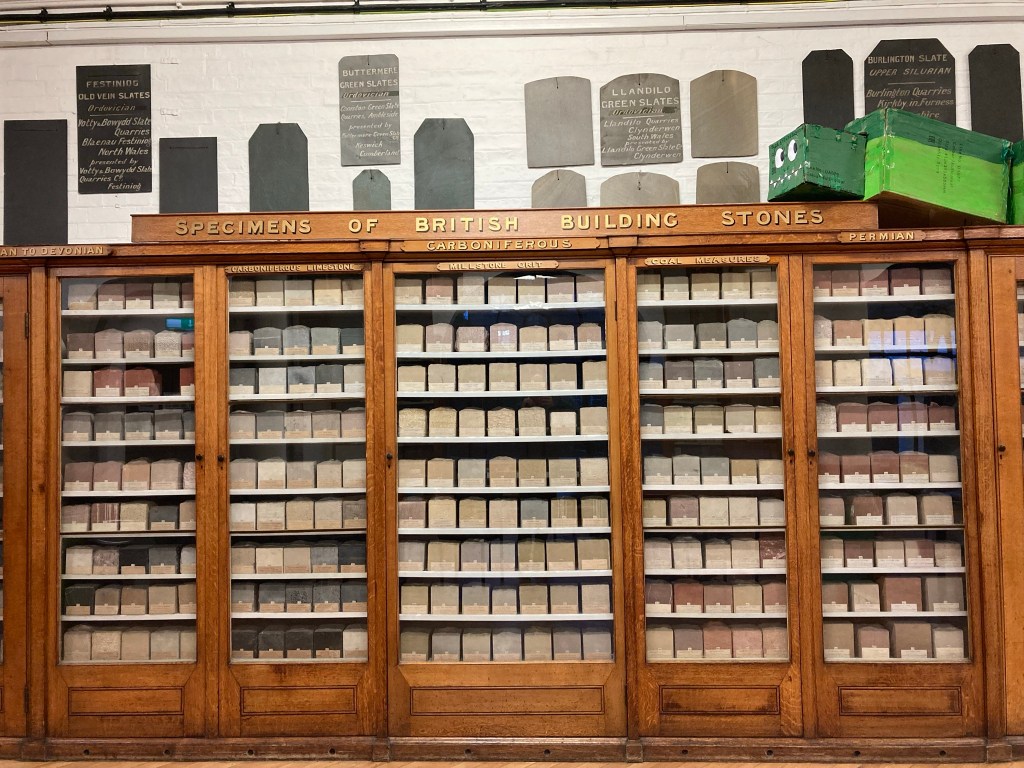
I’ve become quite a fan of the Victorians/Edwardians in the course of this project, their fascination with science, building, innovation and categorisation. Less a fan of course of their racism, imperialism, colonialism, sexism, employment practices and their almost utter disinterest in protecting the environment of course! But you can’t have everything! [ NB it is…
-
22: Stepney Green Scoria!
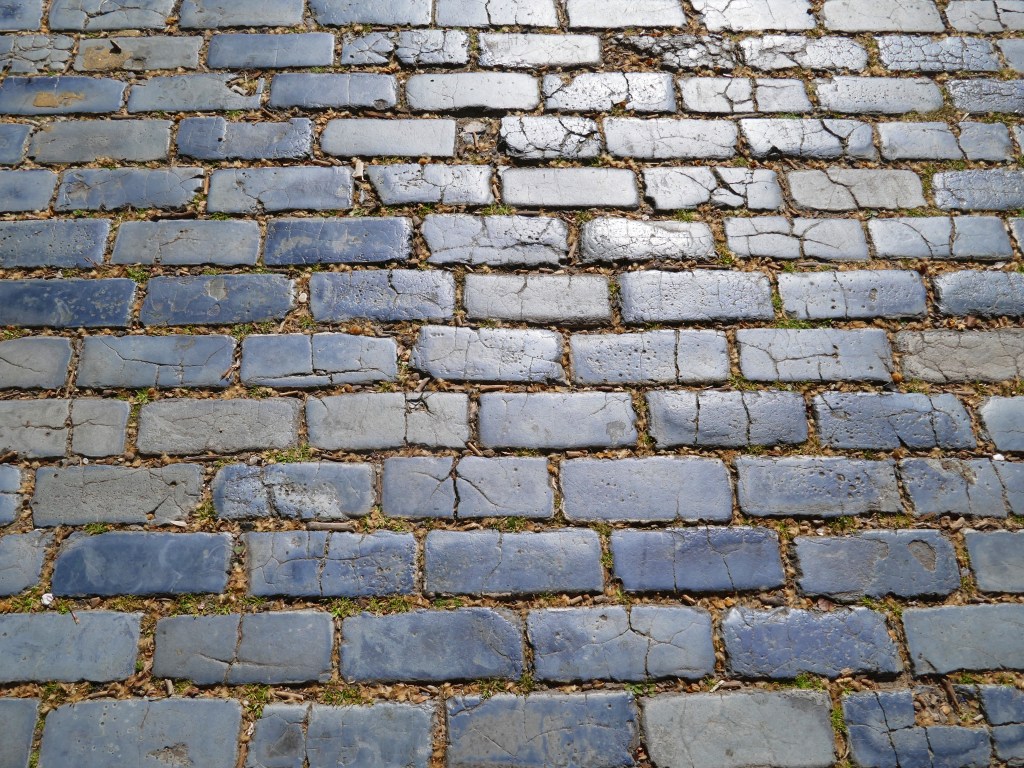
One of my absolute favourite London building material is the shiny blue glazed Scoria Brick of Teeside seen above at Stepney Green. Scoria bricks are a by-product of the Teeside iron industry and are not clay based like most other bricks. Iron makers were looking for a use for the waste scum or slag from…
-
21: Upper Watergate Street. The oldest street surface in London?
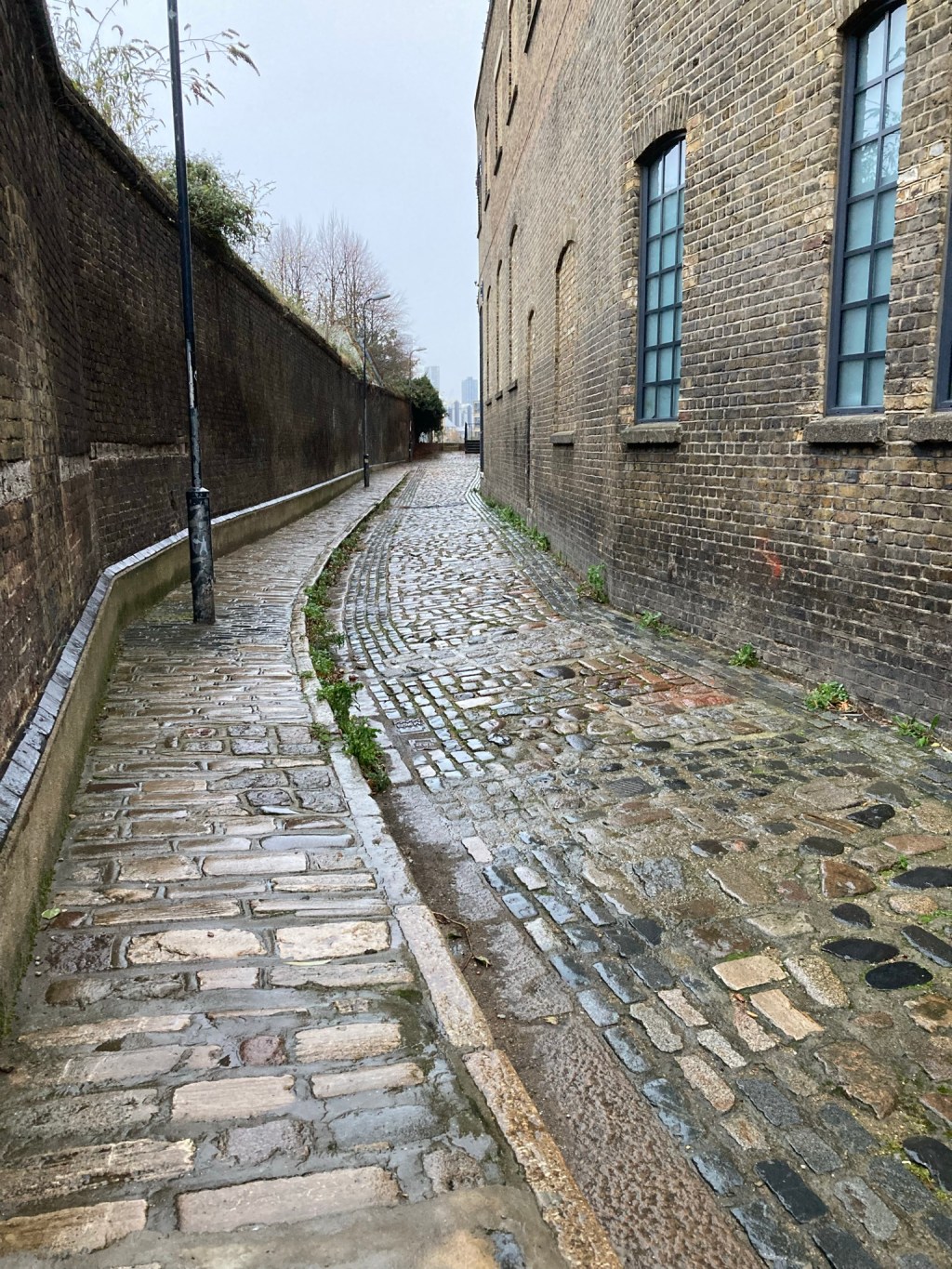
Upper Watergate Street connected, and still connects Deptford, the High Street and St Pauls Church, down the King’s Stairs, with the River Thames, once it’s key highway into London and out to the rest of the world. And I think it has the oldest paving anywhere in London, or at least the most unique! The…
-
20: The Huggin Hill Roman, maybe, and Medieval walls
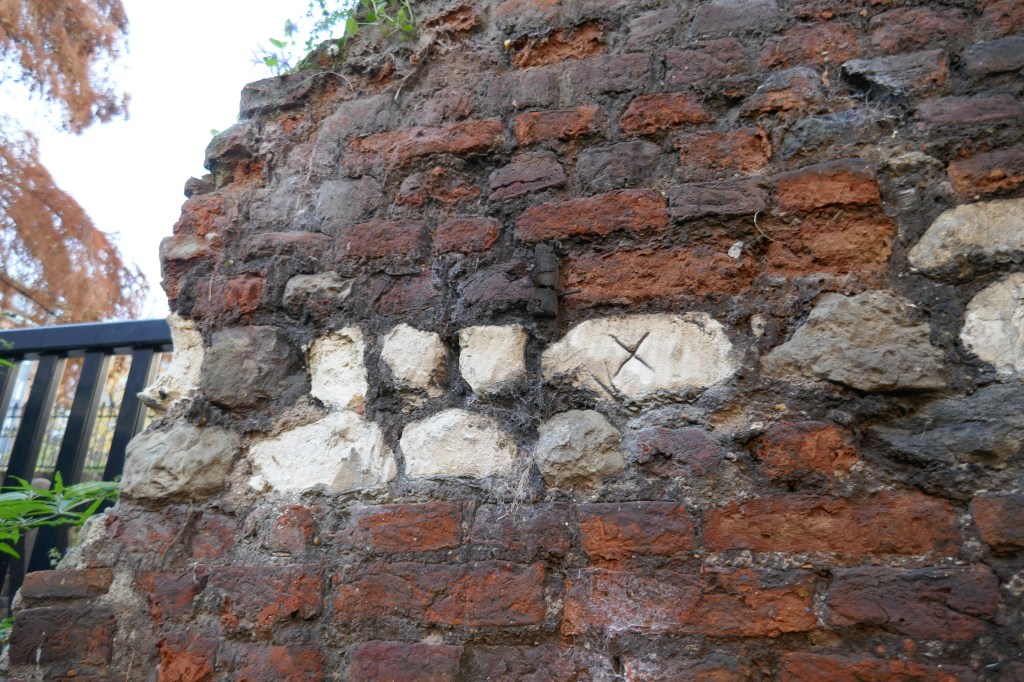
While searching in The City recently for the site of the hall of Gerard the Giant, see previous post, I noticed a small park the other side of Queen Victoria Street.I investigated, found it to be Cleary Park, noticed that the top of it was apparently right above the Circle Line, behind a big wall,…
-
19: A Jurassic tale of a giant’s crypt in the City of London and the Crystal Palace dinosaurs!
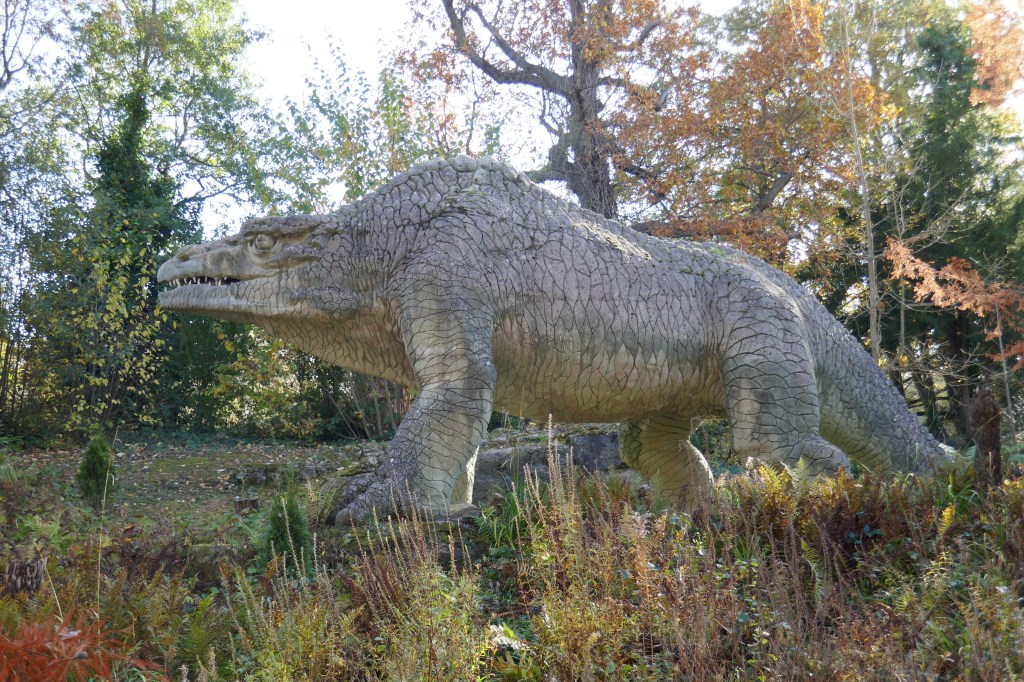
I love this! A beautiful circle of history from Deep Time through an early medieval hall in the City of London and Gerard, its attendant giant, and back to the dinosaurs of in Crystal Palace! Our tale starts in the swamps of the Bathonian Age [1] in the middle of the Jurassic Period, in the…
-
18: Natures Throne and the Hackney Henge!
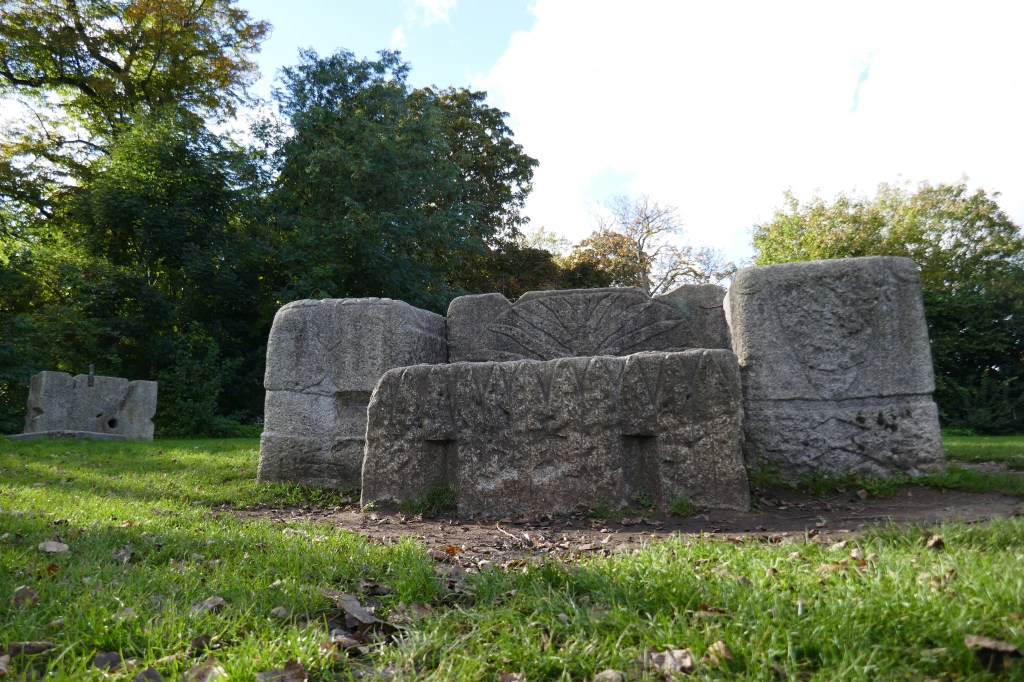
Tucked between the two Leas in Hackney, the old river Lea the Saxons and Danes fought over [1], the boundary between Danelaw and Saxon Mercia [2], and the 18thC canalised River Lee Navigation, just south of Lea Bridge in the Middlesex Filter Beds Nature Reserve, stands an unusual granite sculpture called Nature’s Throne, surrounded by…
-
17: The Notting Dale Kiln
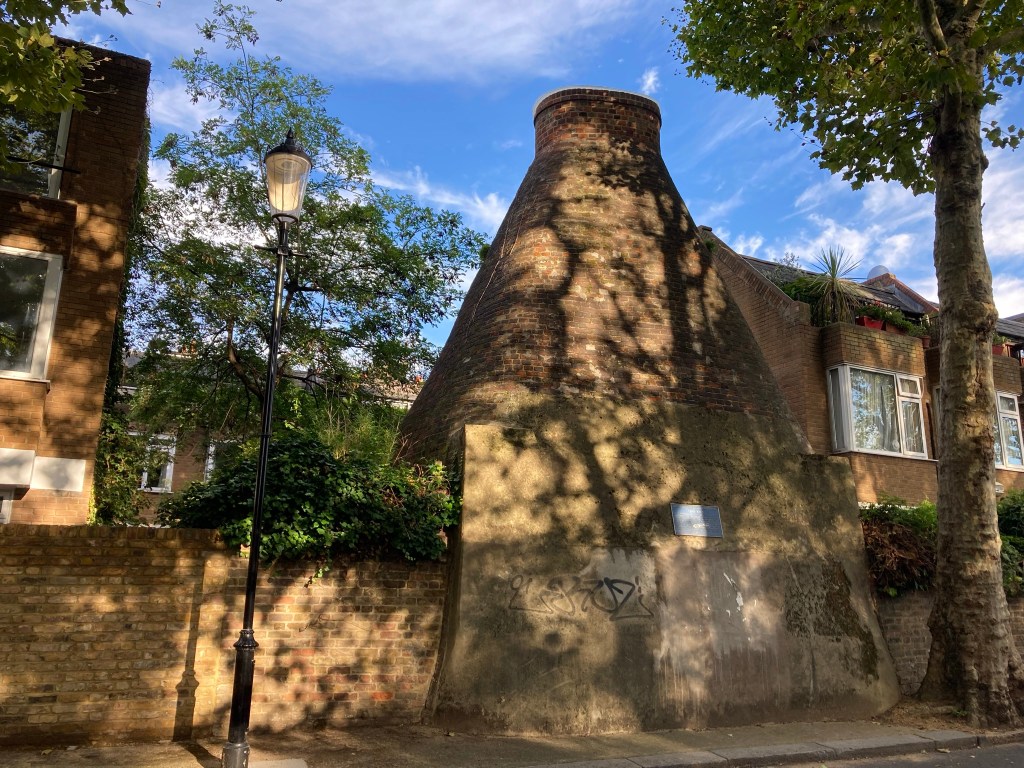
While I love the stone that has been used to build London, from the Cornish granite to the Collyweston slate, really it is brick that built London. The vast majority of houses built in the 17th to 19thC in London were built from the brickearth and the clay that lies at or near the surface…
-
16: Chwarel Trefor / Trefor Quarry
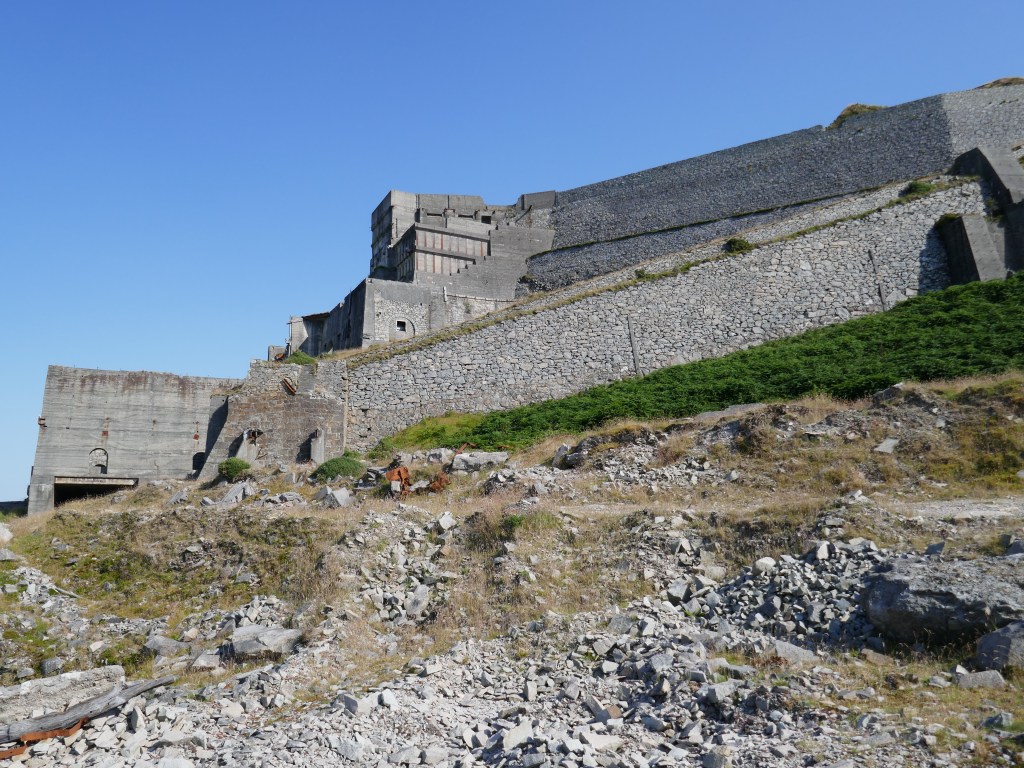
Quarries often have great views being dug into and out of the sides of hills. But even with that the Trefor granite quarry cut into the side of Garn Fôr aka Mynydd y Gwaith [mountain of ‘the works’], one of the 3 peaks of Y Eifl on Pen Llŷn, has extraordinary views! [1] The main…
-
15: Beerstone; another chalk you can build with!
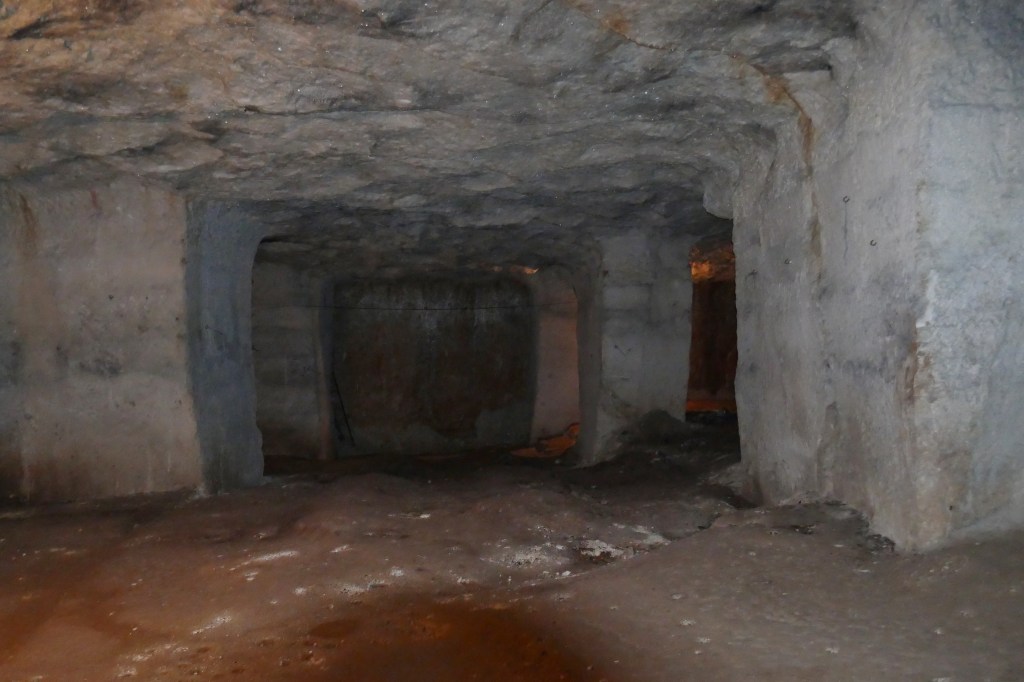
Just into Devon, coming from London, on the south coast, is the small seaside town of Beer. Building stone has been quarried below and above ground here since Roman times. And it makes a few appearances in building London. Like Totternhoe [ see previous post ] it’s a chalk, this time a bit younger and…
-
14: Totternhoe Stone. A chalk you can build with.
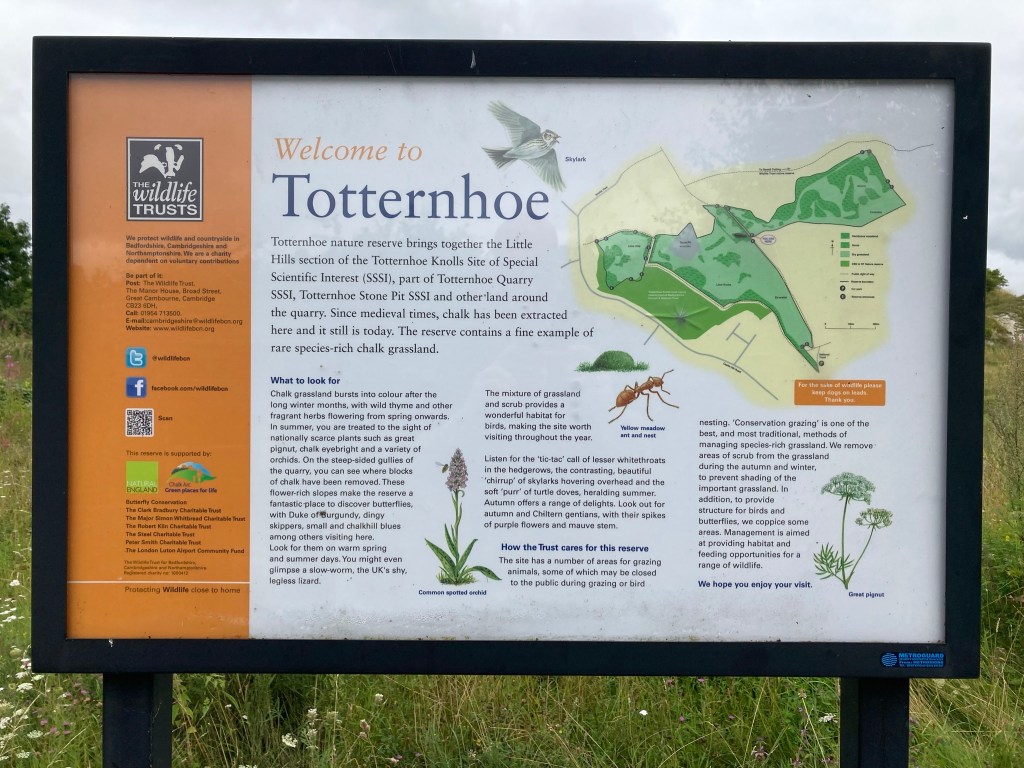
We all know chalk in one way or other. For me it was sticks of it exploding on the wall behind me and a teacher screaming “Pay attention Harries!!!”. For others maybe just something they played with when young or what we use to write on pavements and walls. And we know then that we…
-
13: 16thC bricks at Sutton House, the ‘ Bryck House’, in Hackney, ‘the Arcadia beyond Moorfields’..
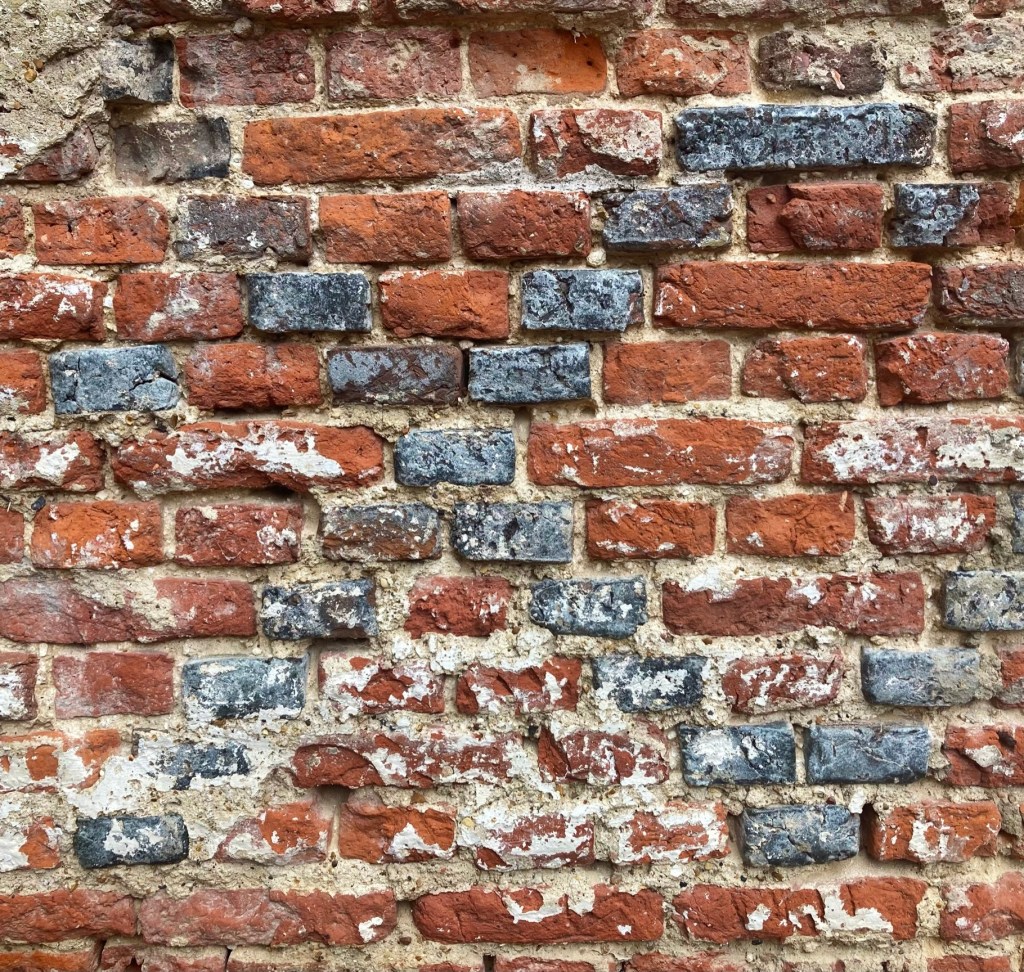
The first posts on this blog have been about granite, and granite is indeed the dominant stone along the Thames through in central London. But London more generally is about brick and the wonderful 16thC bricks/brickwork of the Tudor Sutton House in Homerton are some of the oldest in London. Even though the Romans had…
-
12: Kit Hill granite! As used to build Battersea Bridge and much more!
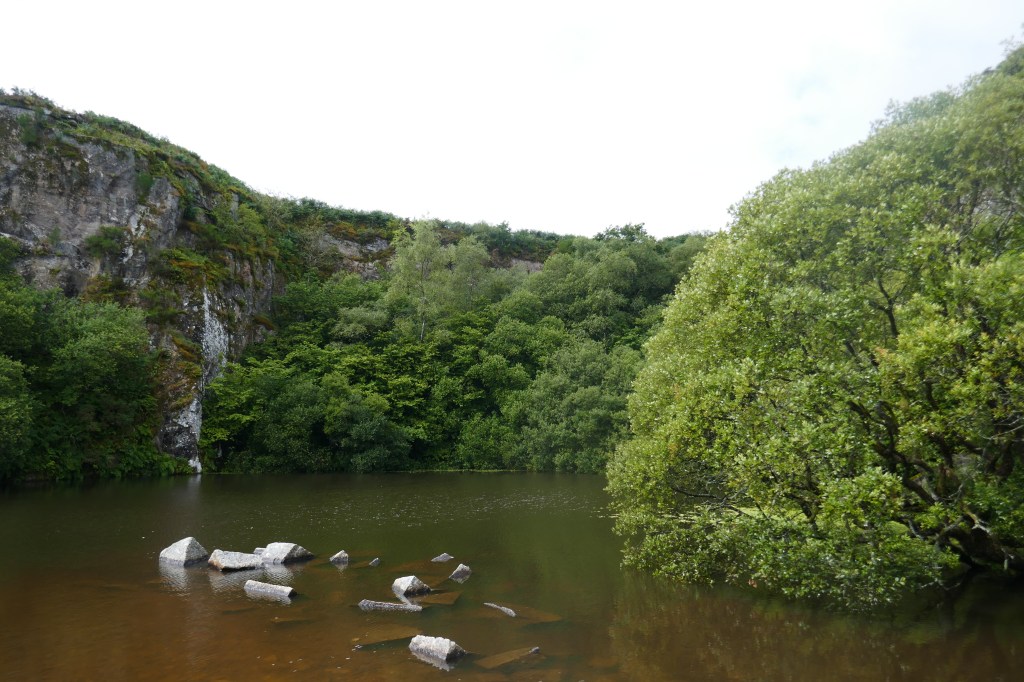
Kit Hill is a magnificent granite plug hill in east Cornwall, north of Saltash and close to the Tamar Valley. It’s a ‘Marilyn’ [ see below ] that rises steeply up out of the rolling east Cornish countryside. And like so many of the Cornish granites it too played an important role in building London.…
-
11: Penryn -The Granite Port
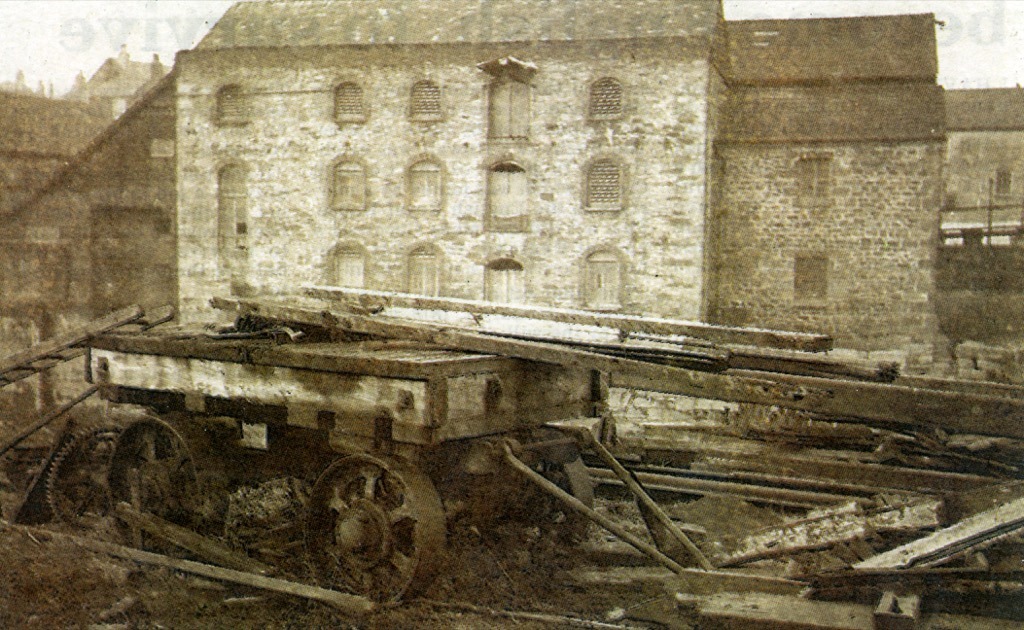
Of course the Cornish granite destined for London had to be got there somehow. It would be put on tramways, or simply on horse drawn carts but ultimately it need to end up at a railway siding or wharf to be transported to London. I’ve posted about Lamorna before [ https://buildinglondon.blog/2021/08/11/4-lamorna-or-lands-end-granite/ ] a small dock…
-
10: Mile End Lock Wall
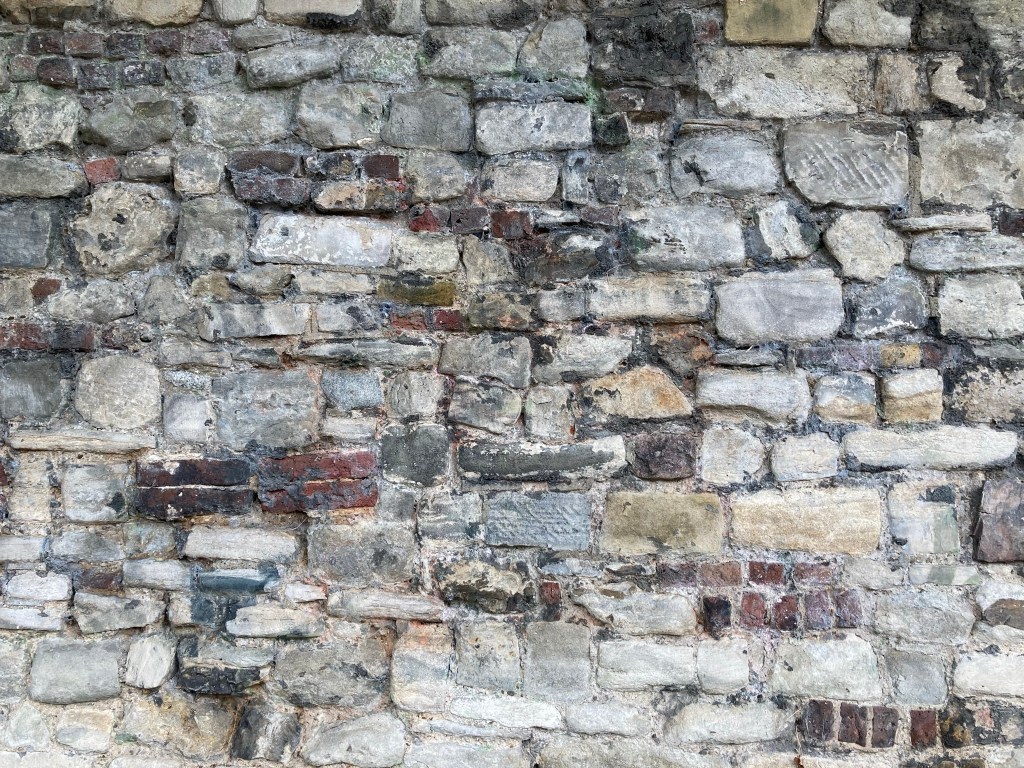
Some of the oldest walls in London are so called ‘rubble walls’, so not neat ‘dimension stone’ or ‘ashlar’ blocks which fit together so neatly like the Portland Stone that so many buildings in Westminster were built or faced with after the Great Fire of London, nor all the various styles of brick walls. The…
-
9: Luxulyan – granite for London Bridge
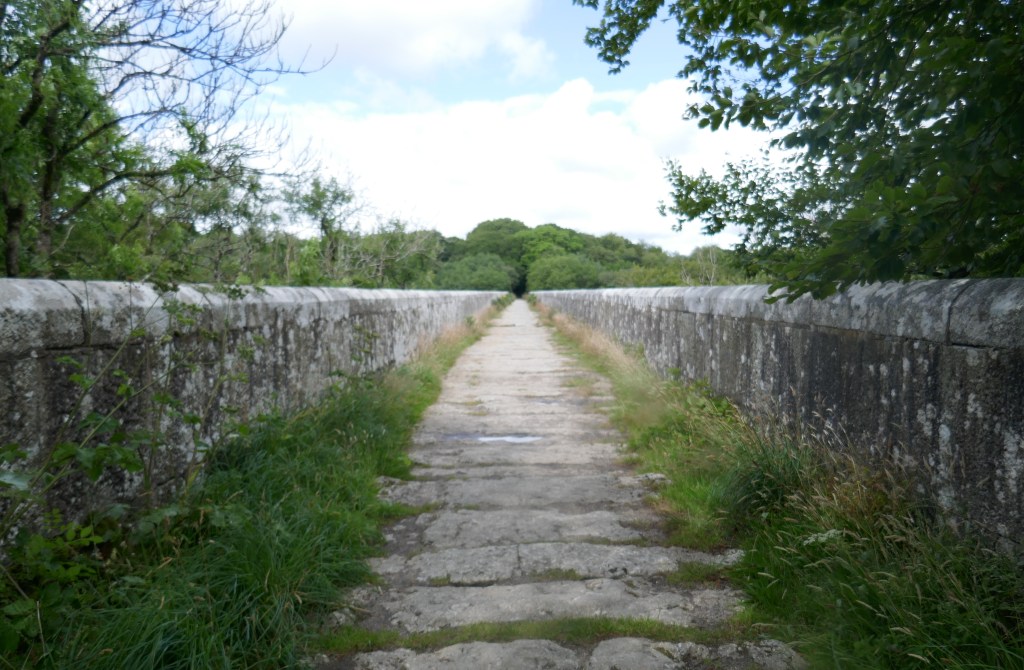
Luxulyan granite, from the Luxulyan Valley near St Austell also plays a prominent role in building London. Ussher et al. (1909) report that “The granite of St Austell has been used in public buildings in Oxford, London and Rome. London Bridge [the one now at Lake Tavasu, Arizona], the British Museum, and Crystal Palace were…
-
8: Kennall Vale
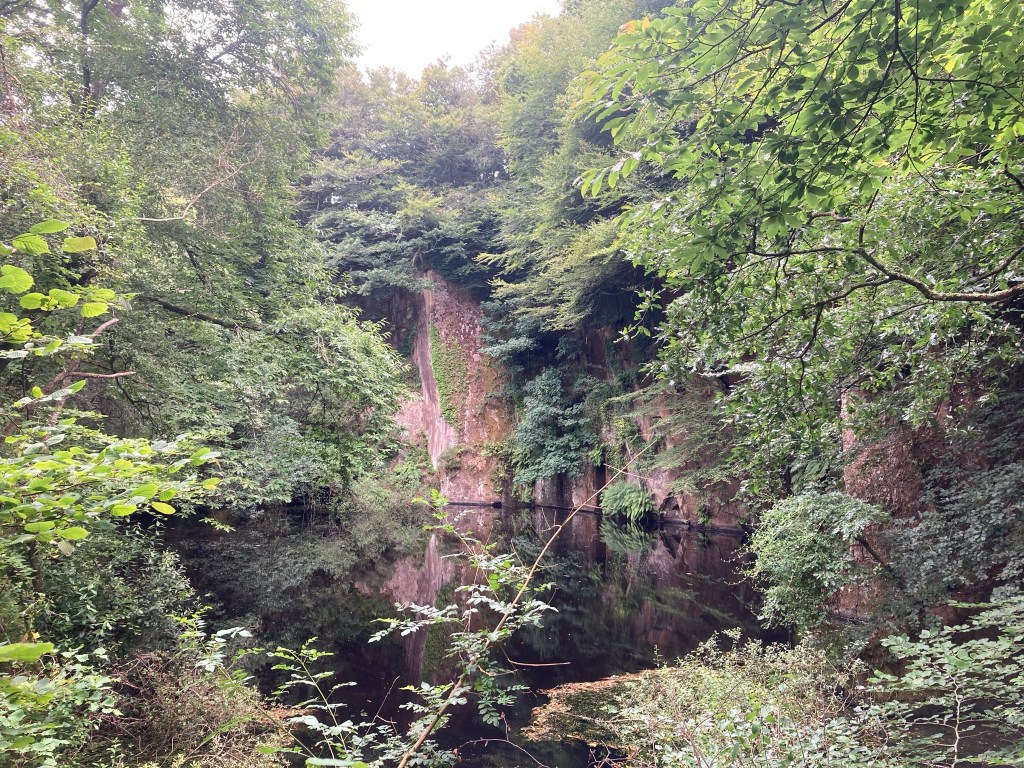
Kennall Vale, just outside Ponsanooth, north of Penryn, has another Carnmenellis granite quarry said to have supplied granite to the Embankment. [1] It’s unclear though as it’s also said the quarry is “early 20th century granite quarry” [2] And the quarry is not on the 1908 map. It’s possible that Kennall Vale supplied granite for…
-
7: Bodmin Moor’s Cheesewring quarry
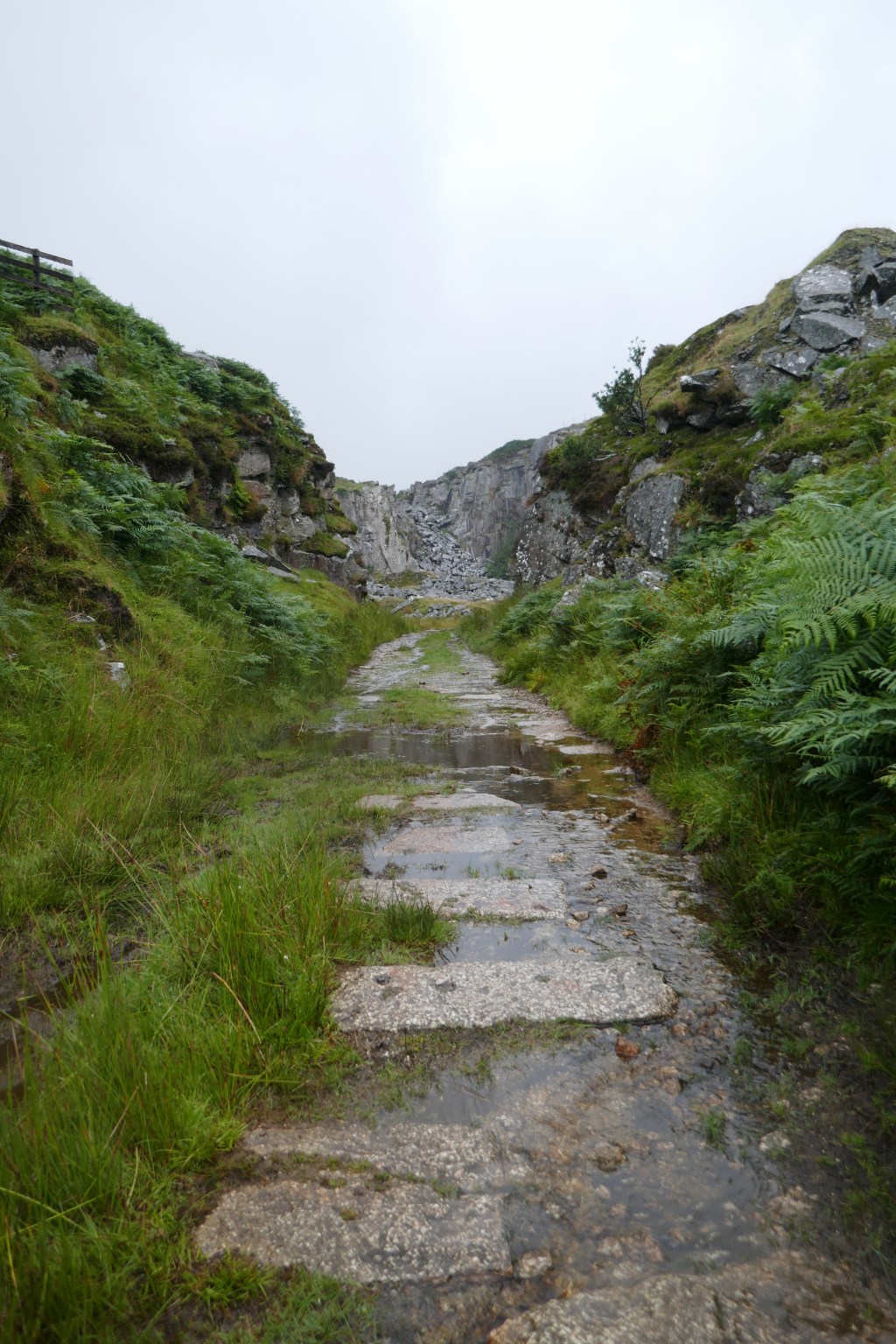
Another quarry famous for it’s supply of granite used for building London is the Cheesewring Quarry on the south-eastern edge of Bodmin Moor, 1.5 kilometres north of the village of Minions. Adrian Spalding noted “The quarry worked the silver-grey granite of Stowe’s Hill, cutting deep into the hillside but stopping short of the famous Cheesewring…
-
6: Carnmenellis – Part 2 – The lost London stones!
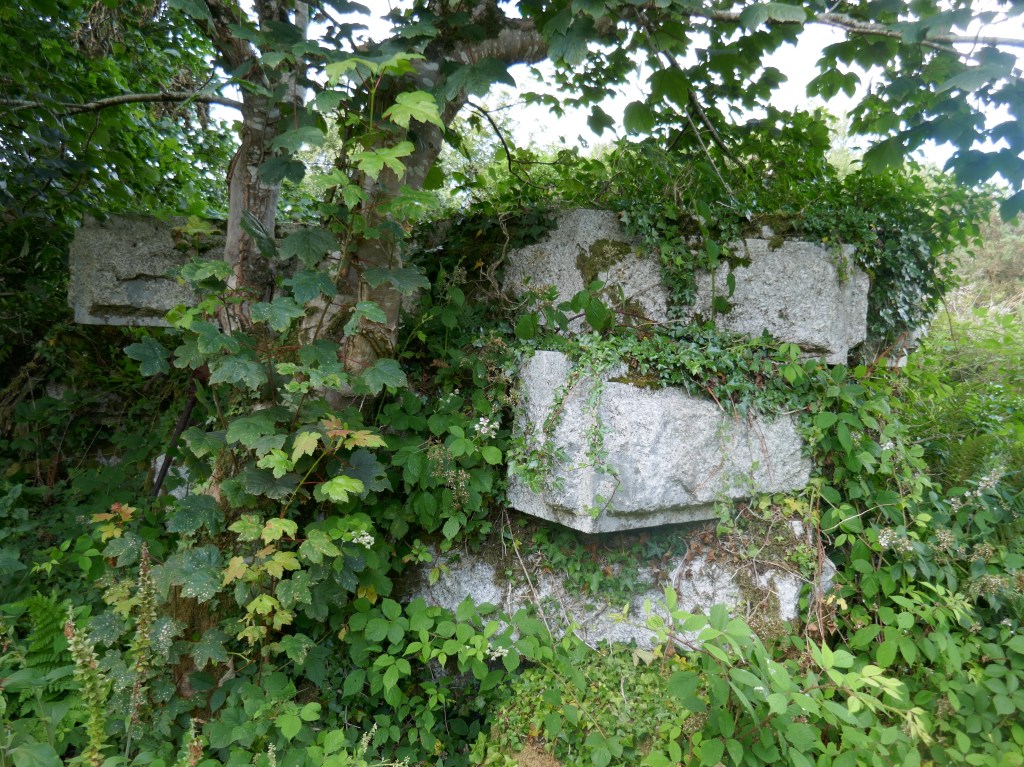
While exploring the Carnmenellis granite quarries I was told of a lost, overgrown, inaccessible group of stones, that like the Swelltor stones, were bound for London, but never made it, and have stood stacked, gradually getting lost in the Cornish rainforest! This was irresistible and so I made it my object to find them. I…
-
5: Carmenellis granite – Part 1 Trolvis
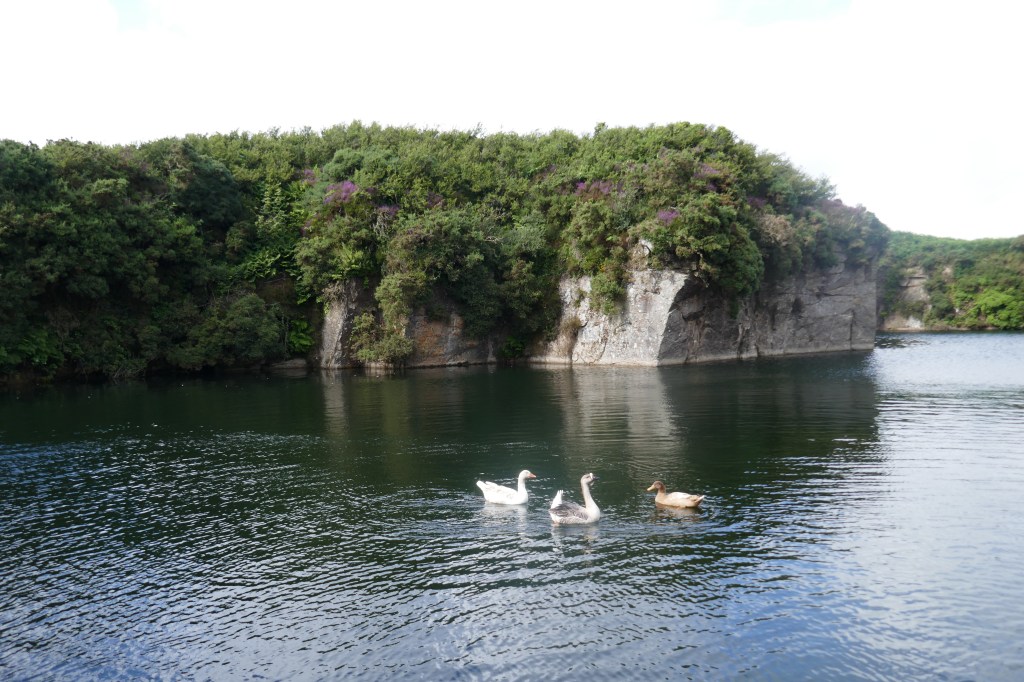
The granites of the South-West come from a number of areas of igneous activity from 100s of millions of years ago that produced large areas of granites called plutons. Humans long ago discovered the use of this granite for building, originally using ‘moorstone’ but increasingly through quarrying. The area with the most mines was the…
-
4: Lamorna or Land’s End granite
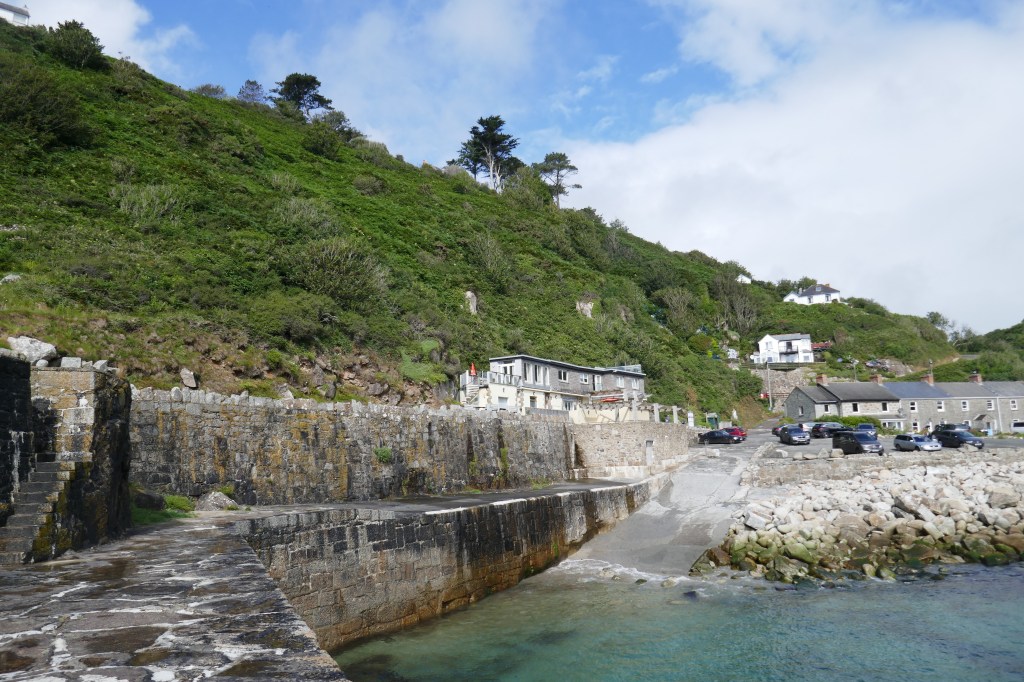
Lamorna or Lands End granite comes from 3 quarries past Penzance in Cornwall, a few miles before the Lands End and on the ‘Land’s End pluton’ or igneous intrusion that gave rise to granite. It is classified, apparently as a ” … typical Cornubian abundantly megacrystic biotite granite.” [ 1 ] Ruth Siddel states ”…
-
3: London Bridge @ Picketts Lock!
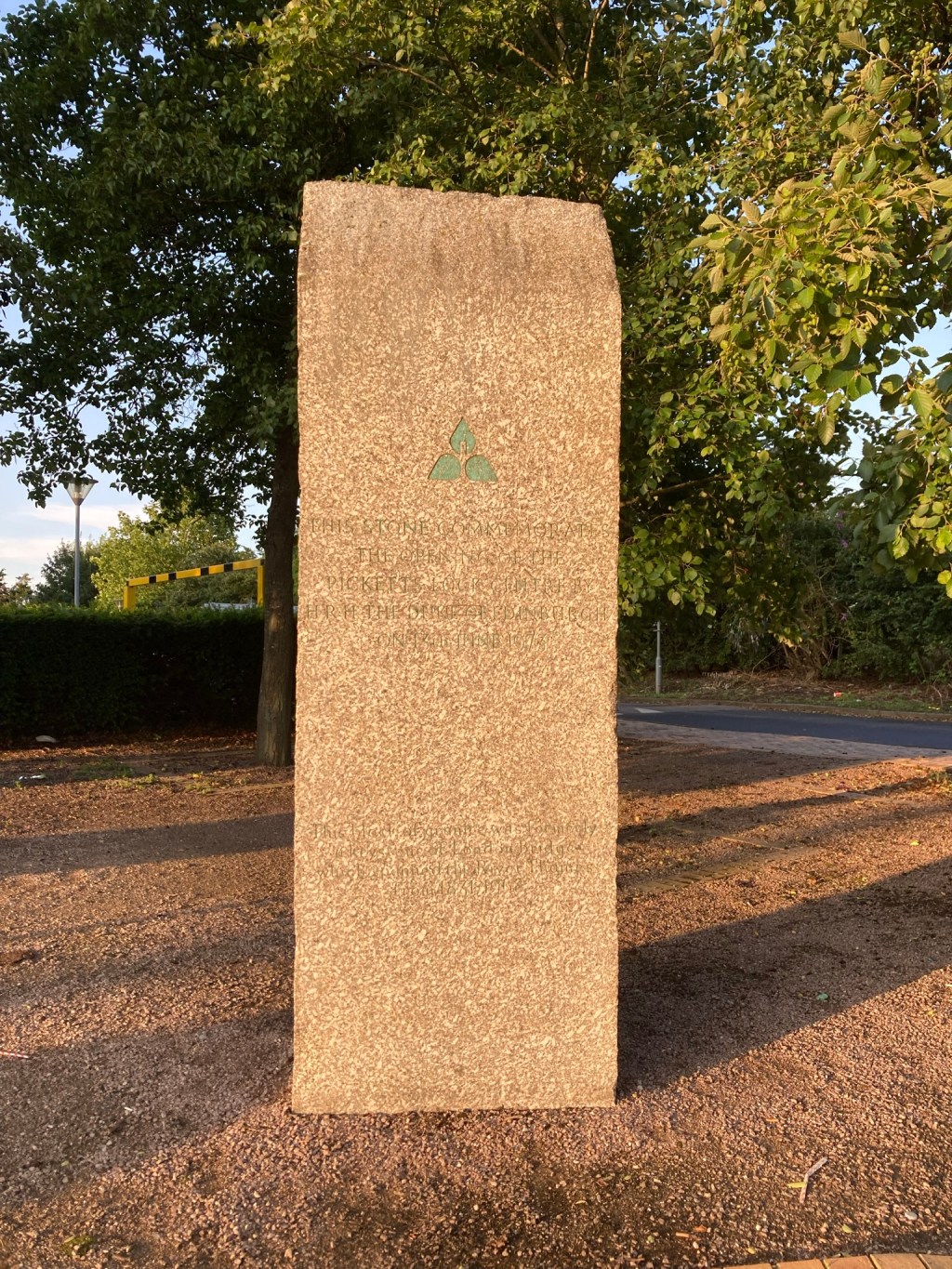
When John Rennie’s London Bridge of 1831 was famously sold to an American in the late 1960s to be later rebuilt at Lake Tavasu in Arizona, not all the bridge made the journey back to Devon whence it had come, then across the world to Arizona. Some of the bridge still stands on the south…
-
2: Foggintor Quarry
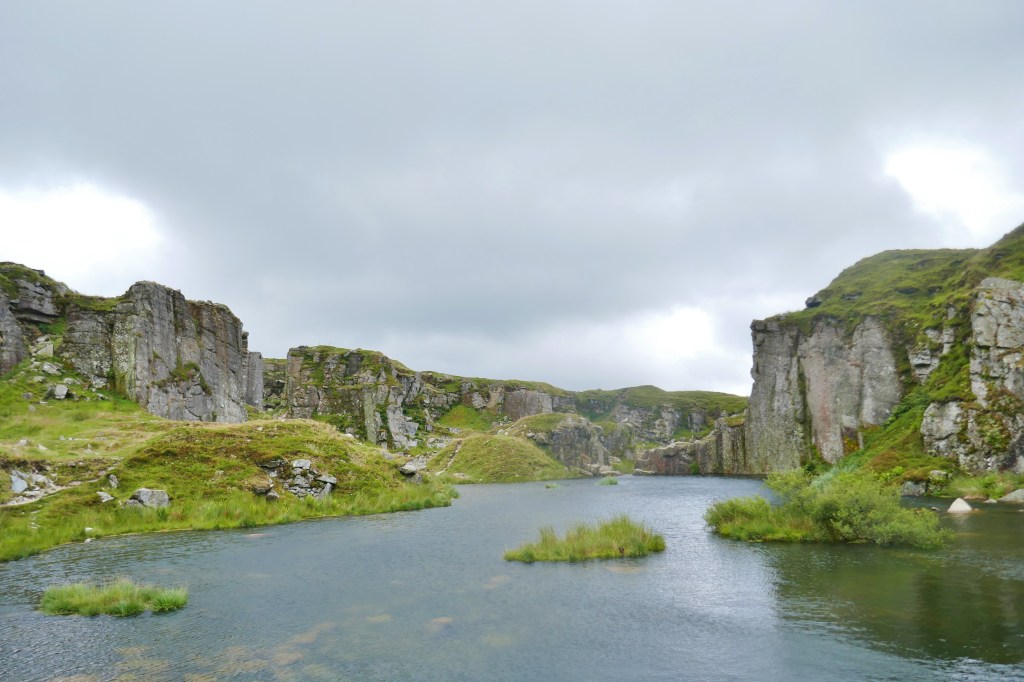
Foggintor Quarry is a sister quarry to Swelltor [ see previous blog post ] . The meaning of Foggintor is unclear but it seems unlikely it would not refer to the dreadful fogs that descend on Dartmoor even in the height of summer. So beware! [1] Foggintor seems to have been opened in the late…
-
1: A visit to Swelltor Quarry in Devon
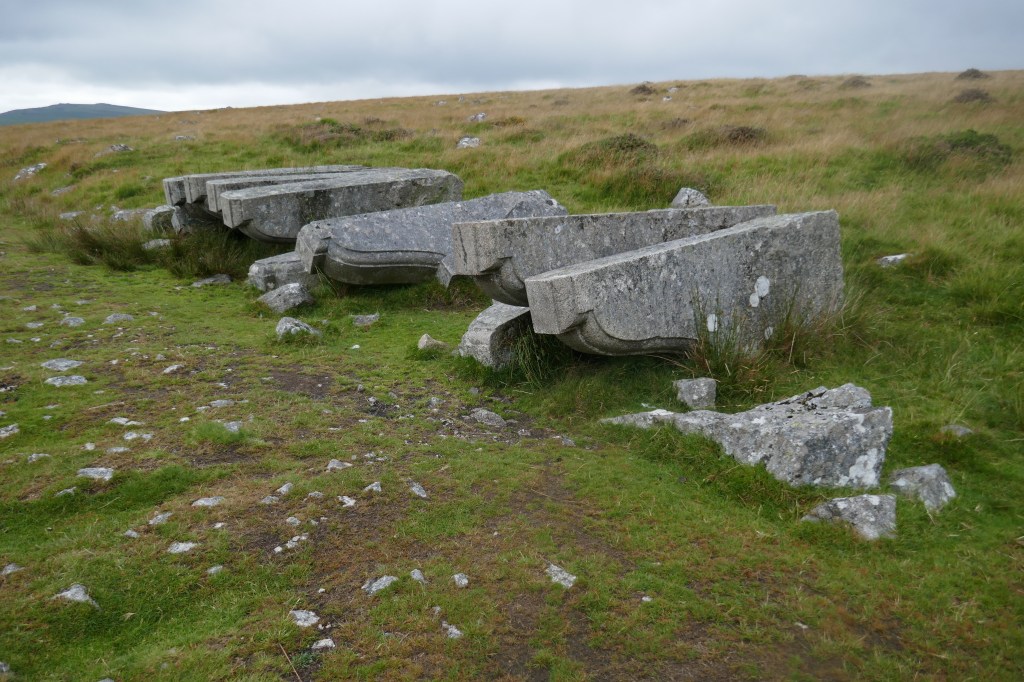
High up on Dartmoor, very beautiful in summer and very bleak in winter, and no more than a mile from the grim Dartmoor Prison, lies a group of large granite stones that once upon a time were destined for London. These blocks of granite, corbels, [ stone struts ] were cut in the early 1900s…
-
Subscribe
Subscribed
Already have a WordPress.com account? Log in now.
 Building London - what London is made from and where it came from!