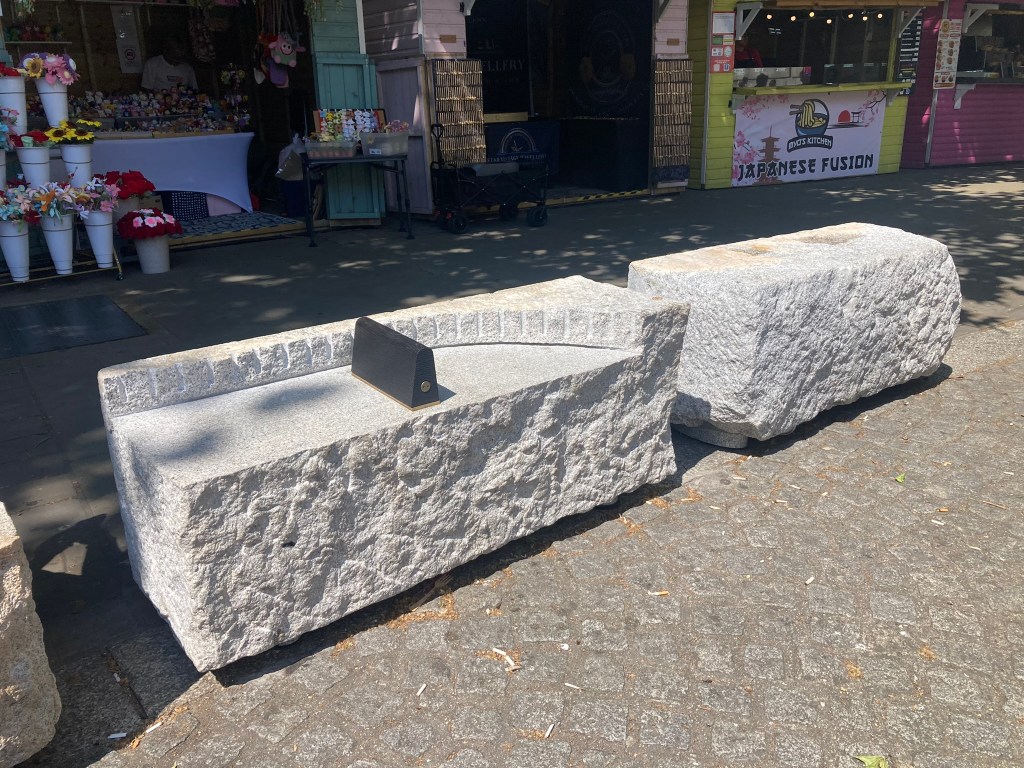
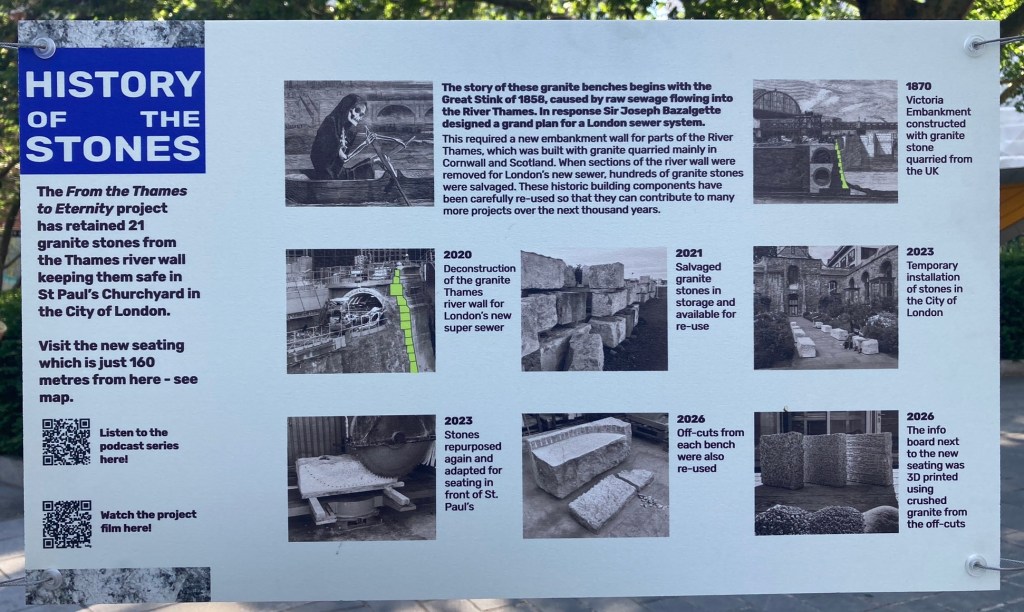
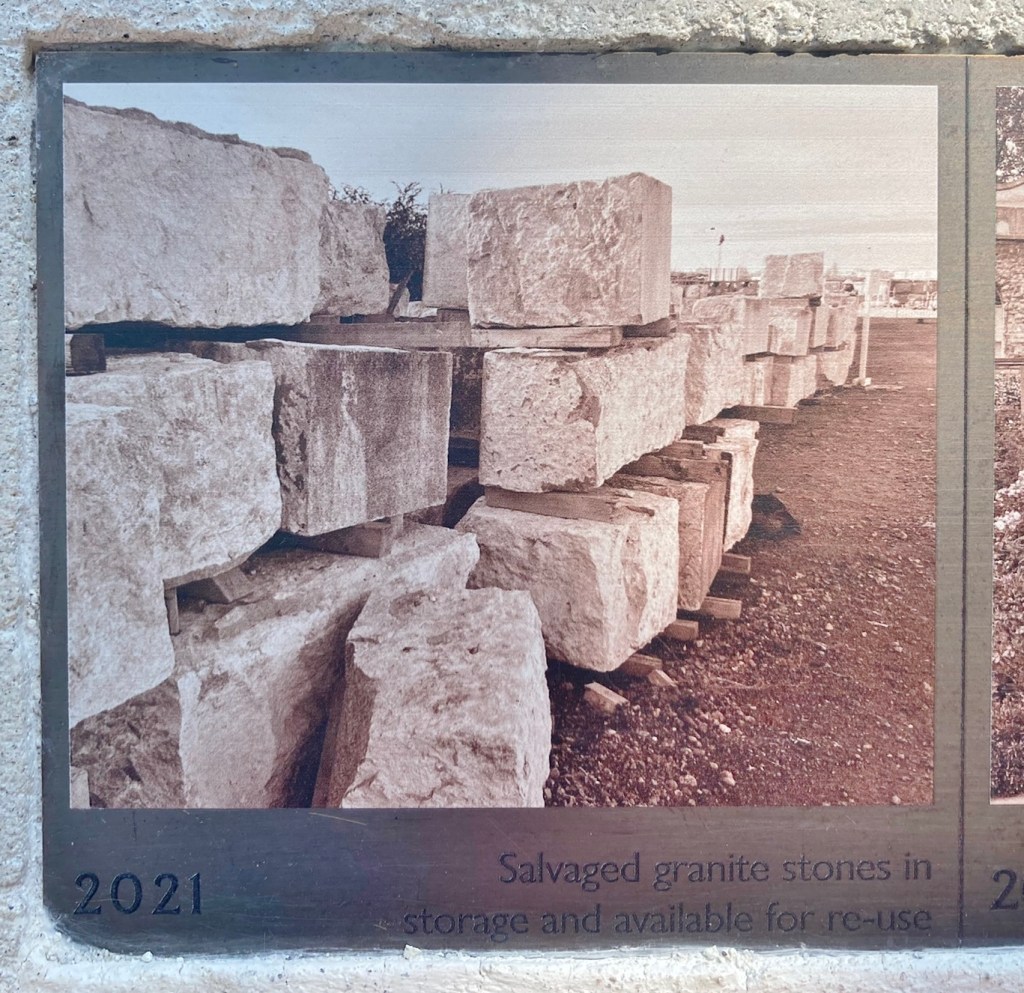
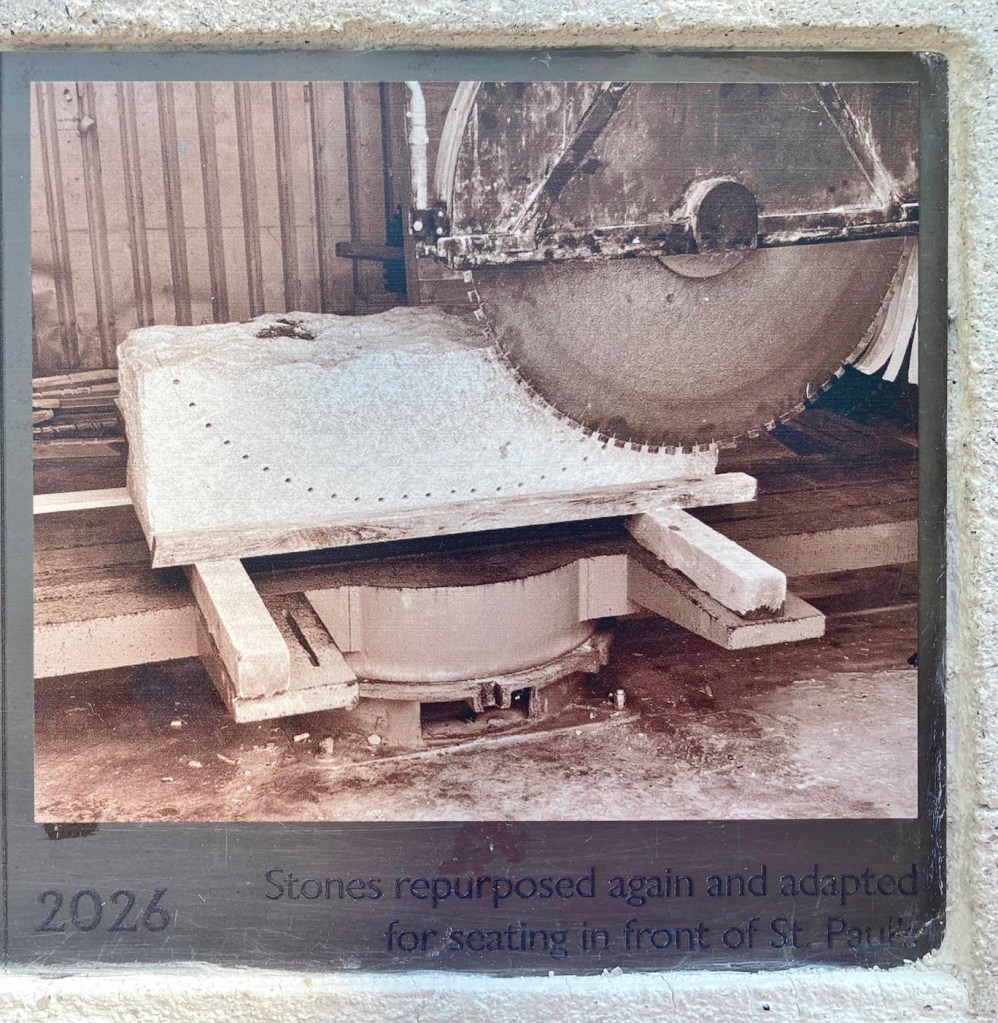
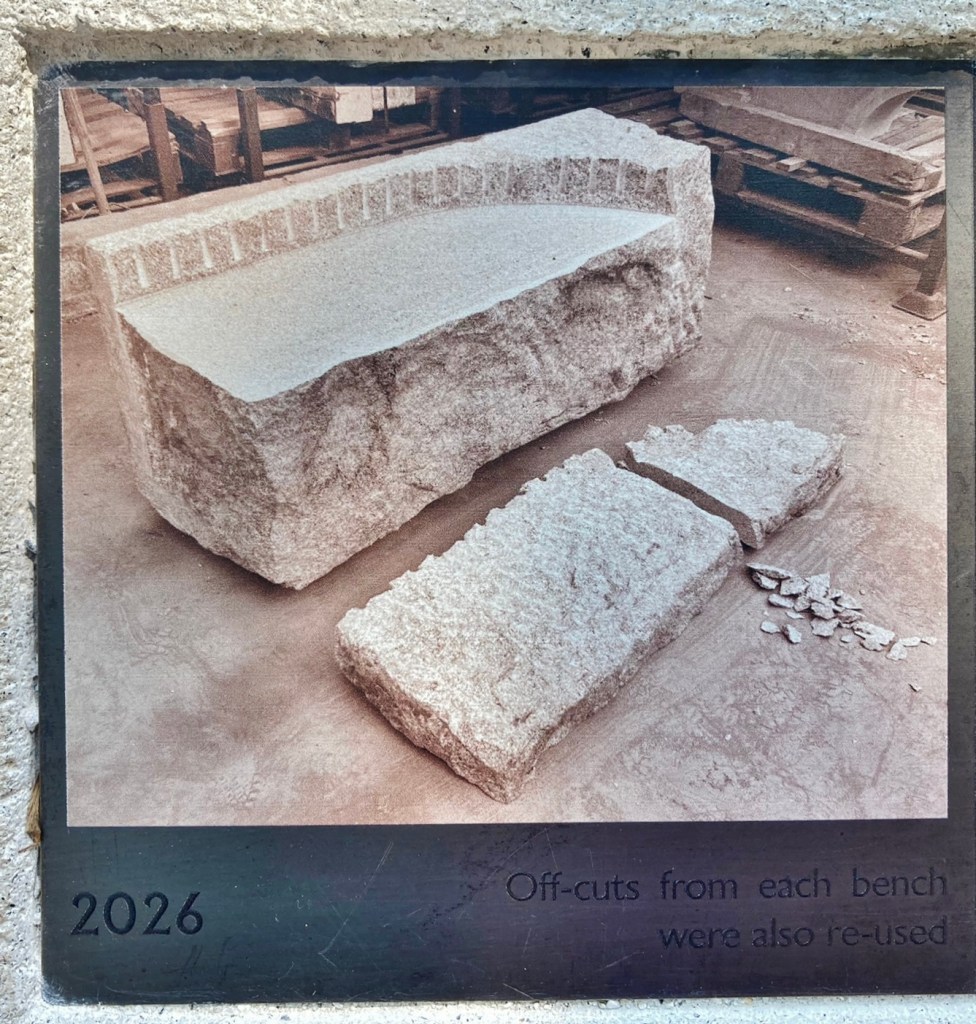
St Paul’s, London’s Portland Stone cathedral, has some lovely new additions, benches made from granite blocks used in the construction of the Victoria Embankment in the 19thC and removed for the new London super sewer The Thames Tideway Tunnel in 2020. (1) [ (2)
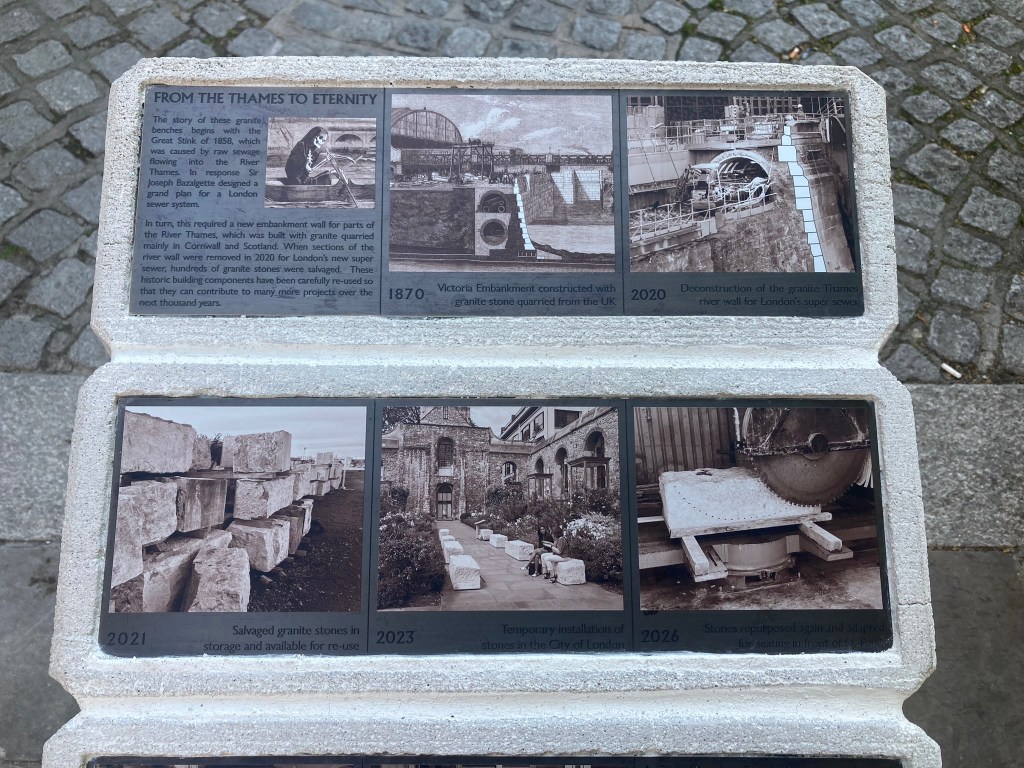
They have been put there by there by the City Of London under their ‘From the Thames to Eternity’ project, who state, “From the Thames to Eternity is a never-ending project about the use and re-use of large granite stones from the historic river wall at Victoria Embankment in London. The benches in front of St. Paul’s Cathedral are the most recent chapter in this story, repurposing 21 granite blocks to provide a place to sit and enjoy the view of the most iconic stone building in London.”
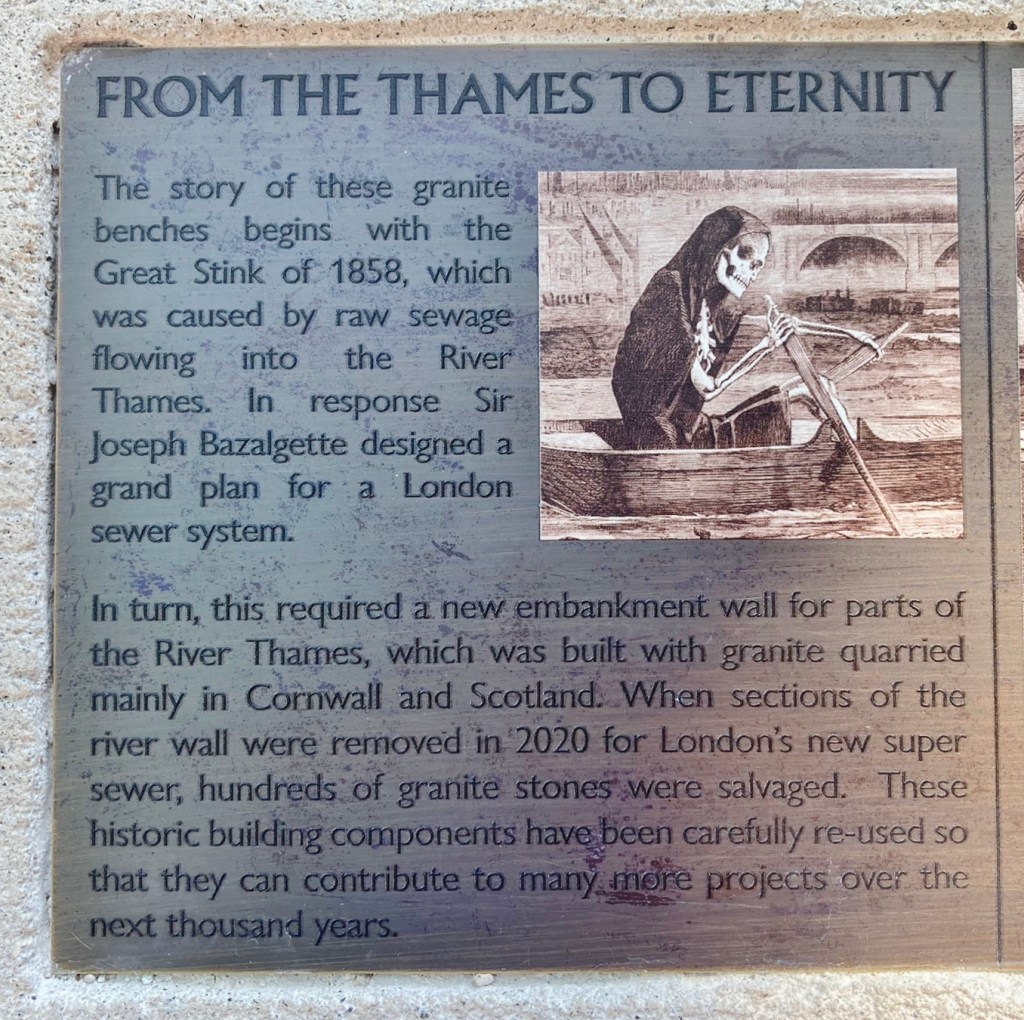
“The idea behind the project is to stimulate discussion about reuse, material lifespan and cultural heritage, at a time when stone can make a significant contribution to a more sustainable built environment. The aim is to retain London’s resources within London, in order to reduce imported materials and to enrich our inhabitation of the city.” (3)
And so say all of us!
The project is one of many reusing material from the Victoria Embankment (4)
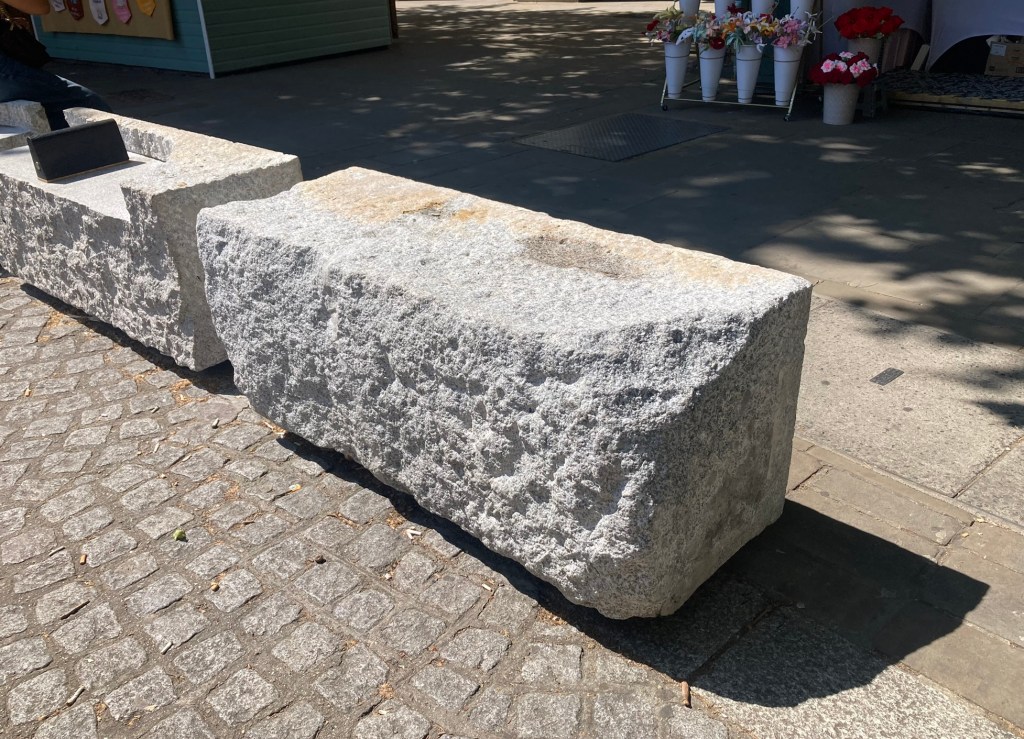
But you want to know what exactly the granites are and where they come from don’t you?!? That’s what this blog is all about! Right? 😀
Well we know they are from the Victoria Embankment, built as part of the Thames Embankment scheme of Bazalgette for his new London sewer system and itself built between 1865-1870 (5)
And we know “Granites from Cornwall, Leinster and Wicklow, Newry, Scotland and France were used to construct the Thames Embankment and the docks.” (6)
Unfortunately it seems unclear exactly, specifically, which granite was in the Victoria Embankment and that many types were in fact used.
Ruth Siddall, the great authority on London’s built or pavement geology, has written expertly on what granites are in the Victoria Embankment. But the answer is not entirely clear, though through no fault of hers!
As always it is right to quote her in full:
“Vast quantities of granite were needed for the [ Victoria Embankment ] and suppliers were sourced in Great Britain and abroad. Despite this and the fact that the procurement of such large quantities of granite posed considerable problems for MBW’s project managers, the word ‘granite’ gets [ only ] around six mentions in the papers cited above. As ever the geological sources of building materials is much ignored in the literature. Oliver (2007) however does shed some light on the building materials, both in terms of quantity and variety. 500, 000 m3 of granite were used in the construction of the embankment along with 110, 000 m3 of concrete, 60, 000 m3 of bricks, 14, 000 m3 of timber and 750, 000 m3 of earth to back fill the construction. This article also gives a clue to one of the main origins of stone used, Dalbeattie in Scotland. But, it is quite clear from observation of the stones used that Dalbeattie is not the only granite used.”
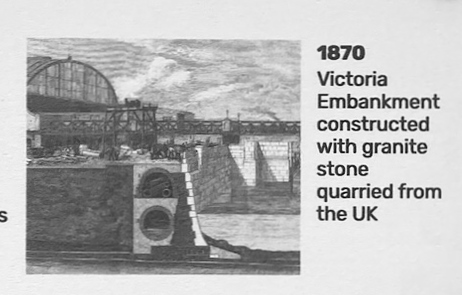
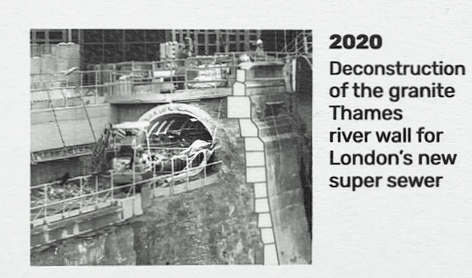
Siddall continues “The most likely granite sources are described below although not all have (yet) been identified by the authors along the Embankment. Also be wary that as the granite is not polished here, you need to look hard to see textures and minerals that may be diagnostic of the source. It was clearly part of the overall design of the embankment that pale coloured granites, very similar in appearance, were used in its construction. As such they are very difficult to distinguish!” We have been warned! 😀
The granites Siddall does identify, from the literature and from observation, are from the following areas and quarries, many of them previously featured in the Building London Blog:
The Craignair Quarry in Dalbeattie in Galloway, (7)
Dancing Cairns from Aberdeen, (8)
Swell Tor on Dartmoor, (9) (10)
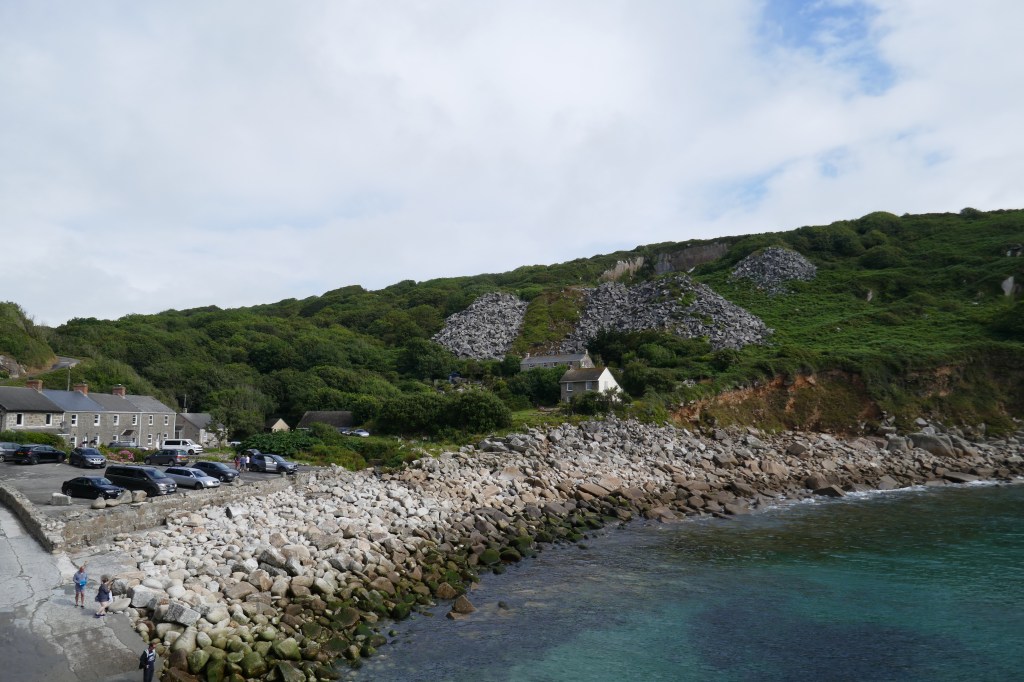
various Cornish quarries e.g. Lamorna in the Land’s End Pluton, (11)
and we know for certain much was shipped from Lamorna (12),
quarries in the Carnmenellis area, maybe Trolvis(13),
from St Austell, maybe Luxulyan (14)
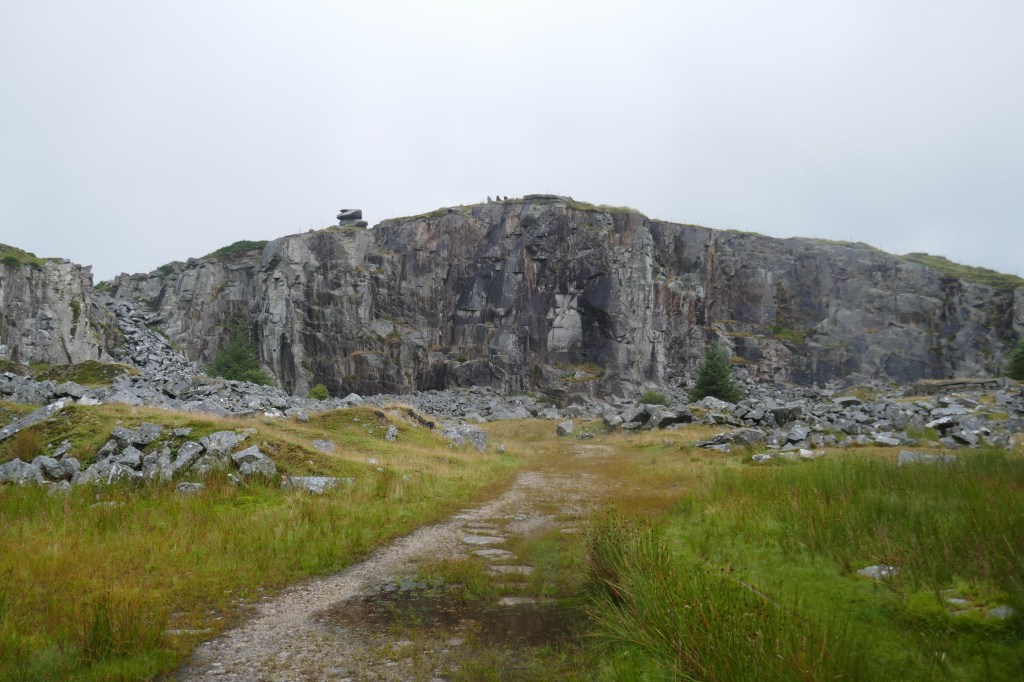
from Cheesewring (15) and De Lank quarries in the Bodmin Intrusions, from Kit Hill in between Bodmin and Dartmoor, (16),
and from further afield, Killiney in Wexford and quarries in Bretagne and adds, that granite from “the other major granite quarries in operation at the time was also used.” So from almost everywhere! 😀
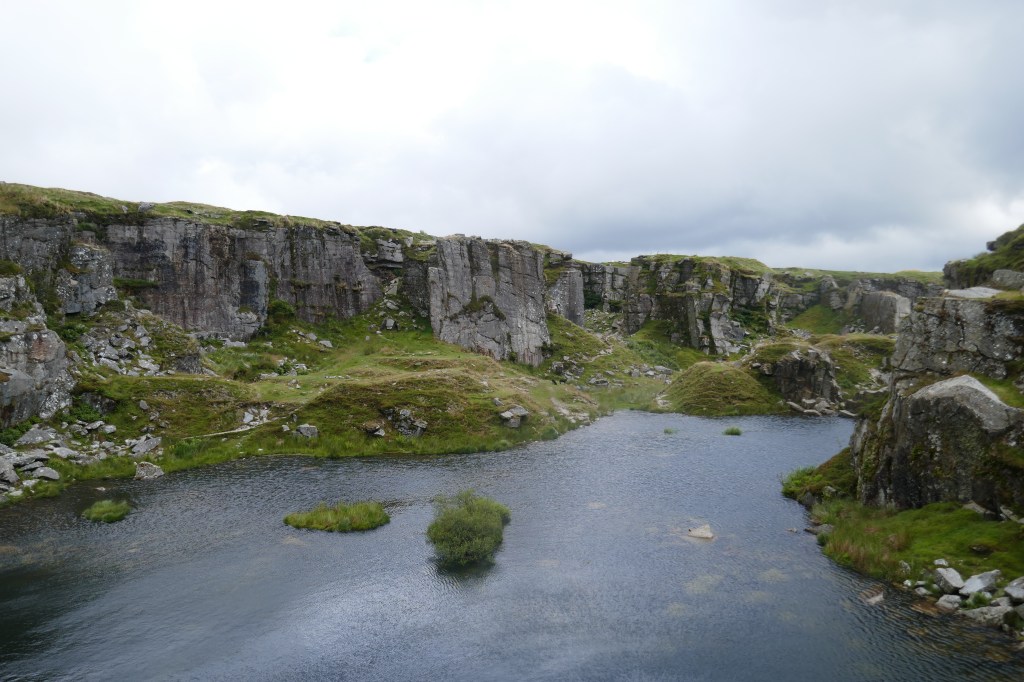
Siddall concludes though “However you will probably be thinking that all these granites look the same, and you would not be wrong. Distinguishing and identifying the granites on the embankment is no easy task. Also we are restricted in view to the granites used in the parapet only. A canoe would be required to examine the Embankment’s retaining wall along the water. Only Dalbeattie and the south west English granites are securely identified in this walk and represent the majority of stones used on the Victoria Embankment.” (17) (18)
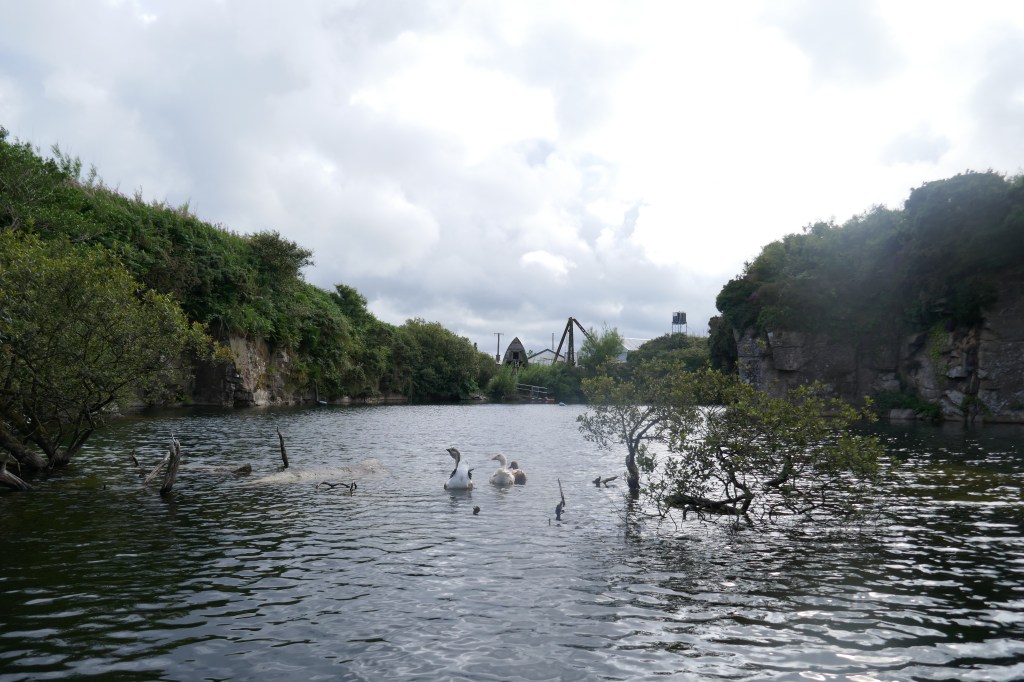
So it is clear that it is unclear exactly what granite these benches are made from! 😀 There is even a dispute over whether granite from Lundy was used or not. Watson states it was: “Large quantities of this stone were used for the construction of the Thames Embankment in London between 1864 and 1870 ; the marine wall, facing the river, is largely composed of immense blocks of this granite.” (19) but Siddal doubts this stating “One quarry company that did not supply granite to the MBW, despite it raising shares in the early 1860s on the (false) grounds that it was to be the sole contractor to the Victoria Embankment, was the short-‐lived Lundy Granite Company, which was only in operation between 1863-68” (18)
And to complicate matters further, the Victoria Embankment was also raised in height after the 1928 floods, when stone from Kennall Vale was maybe used (20), and was repaired, with unknown granite, after WW2.
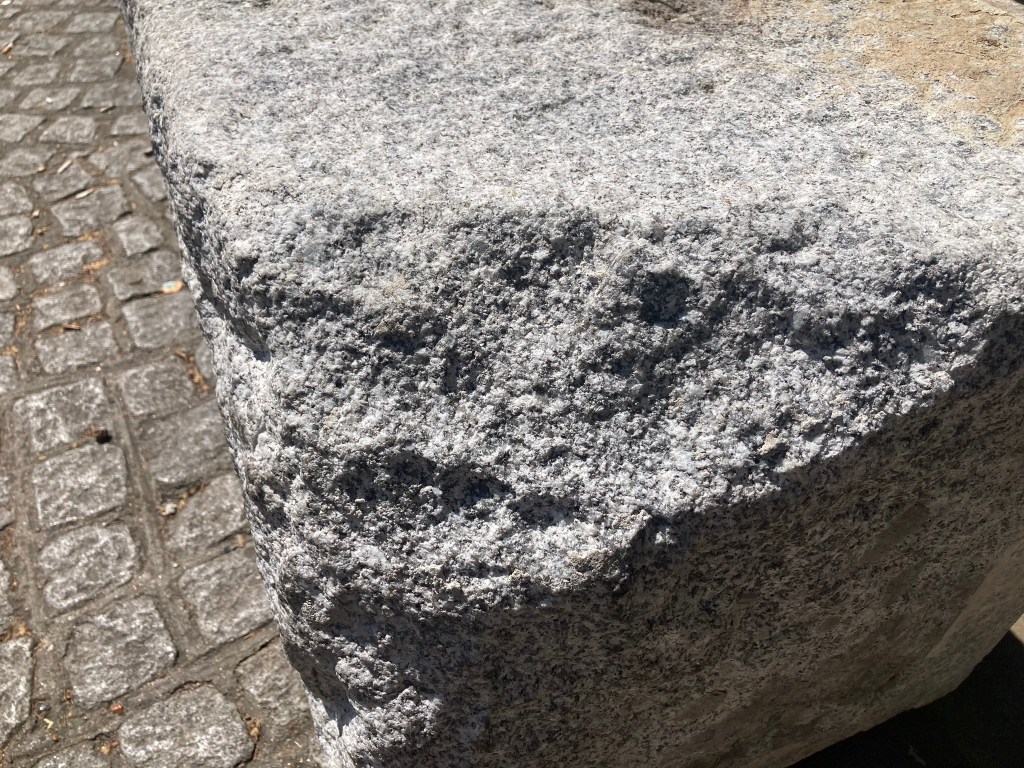
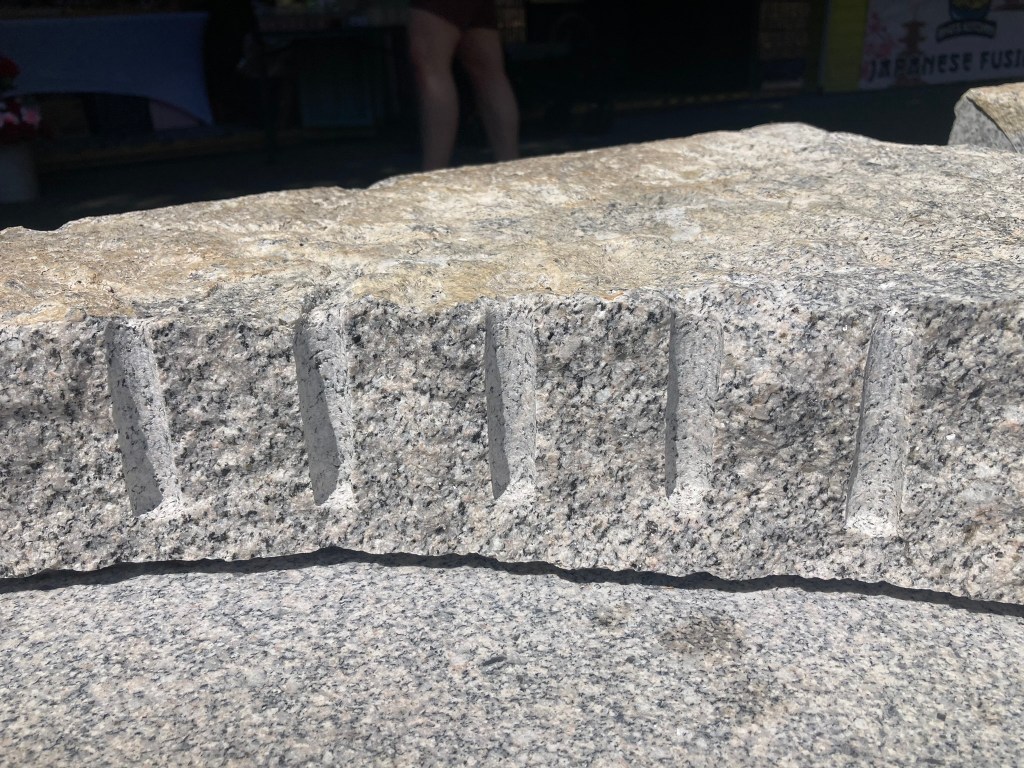
But looking closely at them – check the photos – these granites do not appear to have the large mega-crysts of some Cornish granites but the “Non-porphyritic granite” which Siddall says “.. may be derived from the Carnmenellis, Bodmin or Kit Hill intrusions.” so that does narrow the origins down slightly. Anyway regardless of origin, and you have numerous places to see these now, and with numerous possible origins, there is a lot to see so a very welcome initiative.
Other sites of From Thames to Eternity are Priory Park in Hornsey, St Bartholomew’s Hospital, The Millenium Bridge, and Smithfield Market, but the implication is there will be more. (21)
Getting there:
These benches are at St Paul’s so just follow Google Maps. And ditto the other London sites.
For the individual quarries look on the the relevant Building London pages.
References
1) https://en.wikipedia.org/wiki/Thames_Tideway_Tunnel
2) https://londonist.com/london/latest-news/thames-tideway-tunnel-what-is-london-s-new-supersewer
3) https://www.cityoflondon.gov.uk/services/streets/projects-and-proposals/completed-projects/from-the-thames-to-eternity
4) https://news.cityoflondon.gov.uk/historic-thames-stones-given-new-life-outside-st-pauls-cathedral
5) https://en.wikipedia.org/wiki/Victoria_Embankment
6) https://londongeopartnership.org.uk/buildinglondon/
7) https://www.futuremuseum.co.uk/collections/life-work/key-industries/mining-quarrying/quarrying/craignair-granite-quarries–dalbeattie
8) https://doriccolumns.wordpress.com/industry/granite/
9) https://buildinglondon.blog/2021/07/31/a-visit-to-swell-tor-quarry-in-devon/
10) https://buildinglondon.blog/2021/08/04/foggintor-quarry/
11) https://buildinglondon.blog/2021/08/11/4-lamorna-or-lands-end-granite/
12) https://portoflondonstudy.wordpress.com/2016/10/31/sir-joseph-bazalgettes-embankments-by-sue-littledale/
13) https://buildinglondon.blog/2021/08/12/5-carmenellis-granite-part-1-trolvis/
14) https://buildinglondon.blog/2025/11/25/74-return-to-luxulyan-rock-mill-quarry/
15) https://buildinglondon.blog/2021/08/15/7-cheesewring-quarry-on-bodmin-moor/
16) https://buildinglondon.blog/2021/08/22/kit-hill-granite-as-used-to-build-battersea-bridge-and-much-more/
17) https://londonpavementgeology.co.uk/wp-content/uploads/2014/10/Embankment.pdf
18) https://ruthsiddall.co.uk/Walks/Embankment.pdf
19) https://upload.wikimedia.org/wikipedia/commons/f/fd/British_and_foreign_building_stones%2C_a_descriptive_catalogue_of_the_specimens_in_the_Sedgwick_Museum%2C_Cambridge_%28IA_britishforeignbu00watsrich%29.pdf
20) https://buildinglondon.blog/2021/08/16/8-kennall-vale/
21) https://www.ucl.ac.uk/news/2023/jun/victoria-embankment-stones-repurposed-new-circular-materials-experience


Leave a comment