-
50: The Pulhamite Cascades at Battersea Park
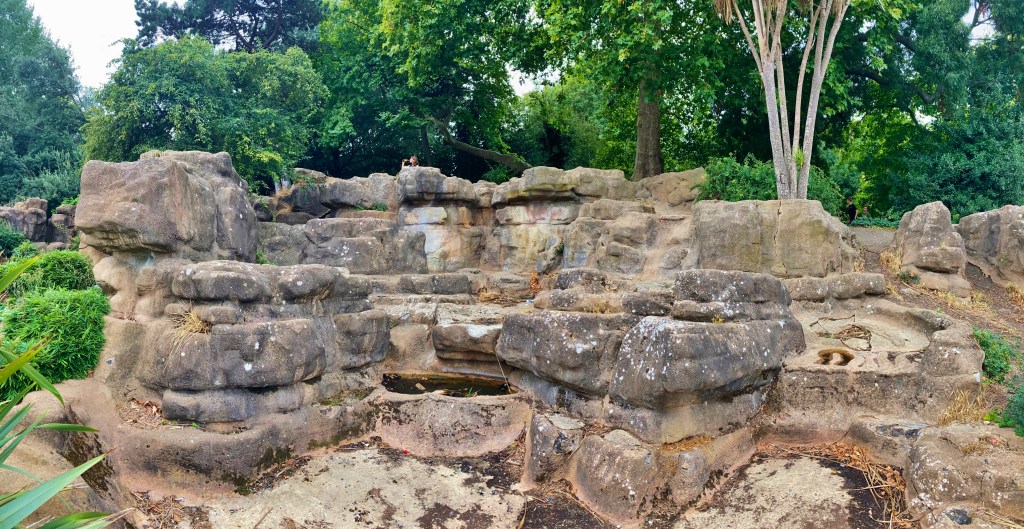
Following on from the Building London introduction to Pulhamite, https://buildinglondon.blog/2022/09/01/49pulhamite-pt1-an-introduction/ the best place to go and see Pulhamite artificial rock in London is in Battersea Park. [1] There is an amazing area of ‘rock’ faces and a waterfall called The Cascades though currently, sadly, dry, and a smaller ‘rock face’ nearby called The Owlery! Battersea…
-
49: Pulhamite Pt1, an introduction.
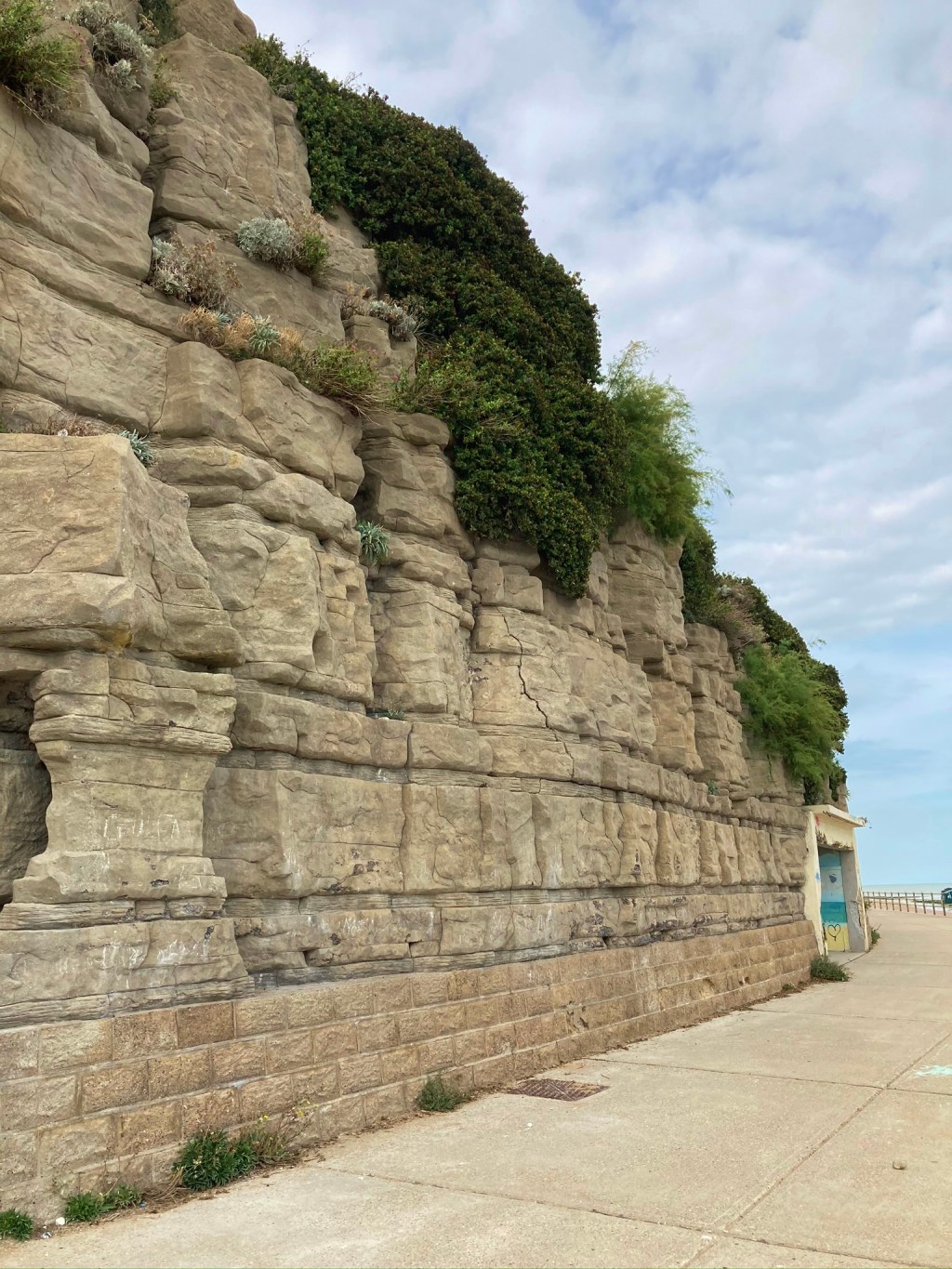
Pulhamite [1] is a great Victorian invention! ( or two actually … read on! ) James and Obadiah Pulham in the 1840s pioneered the creation of landscape features using “… stone-modelling skills to form artificial rocks from heaps of old bricks and rubble covered in cement, and ‘sculpted’ the surfaces to simulate the colour and…
-
48: More of the 1832 London Bridge, at Waltham Abbey
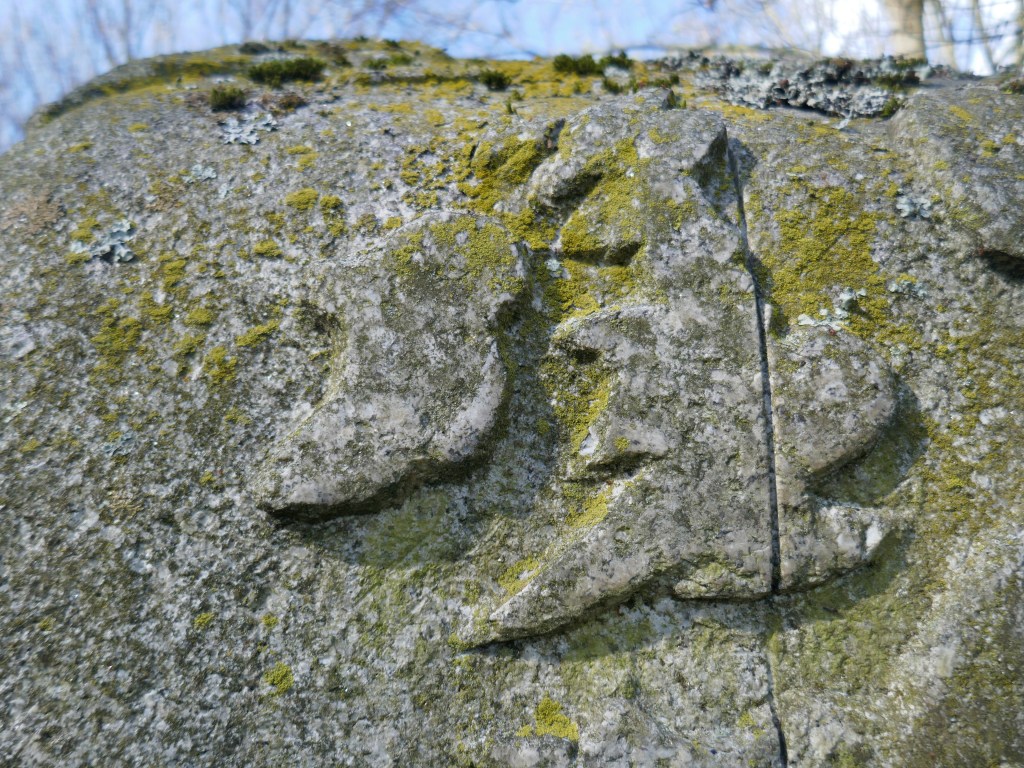
As noted and covered before in other posts, there quite a few remains of the various incarnations of London Bridge doted around. https://buildinglondon.blog/2022/02/22/31-old-london-bridge-part-2/ 2 pieces of the granite 1832 bridge are now sited near Waltham Abbey, marking the Meridian Line, and called Travel and Discovery. The Greenwich Meridian website states they were in place in…
-
47: London Bridge balustrade in Gilwell Park?
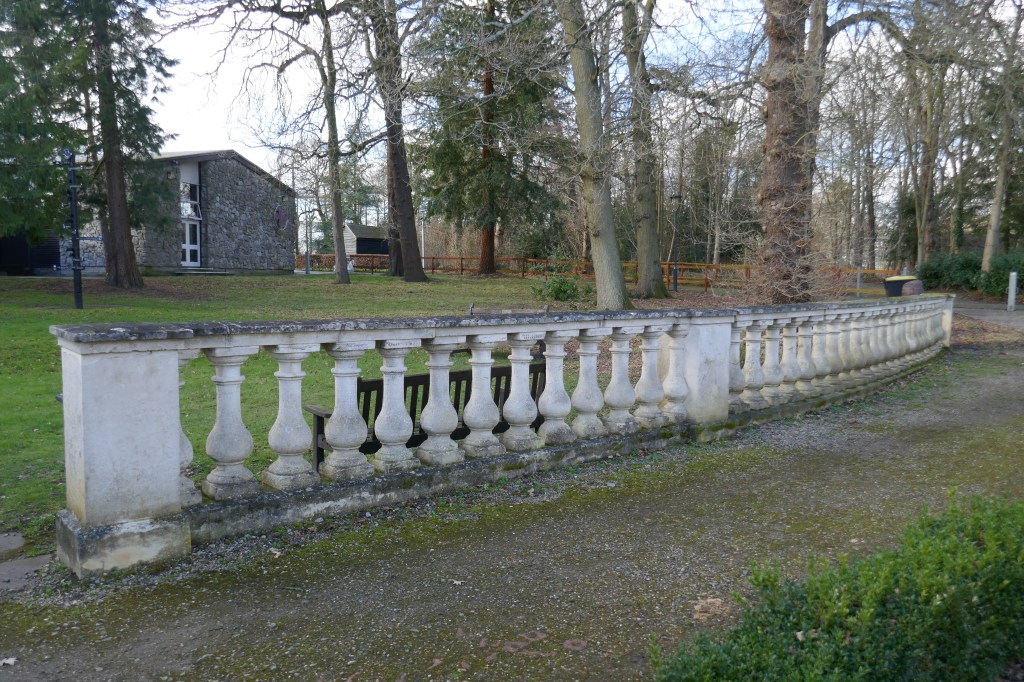
The Building London Blog has covered London Bridge, and where bits of it ended up, in a number of posts: https://buildinglondon.blog/2022/02/15/30-old-london-bridge-part-1/https://buildinglondon.blog/2022/02/22/31-old-london-bridge-part-2/ and e.g. https://buildinglondon.blog/2022/05/06/38-the-alcoves-of-old-london-bridge/ And, someday Building London WILL go to Lake Havasu, but for now, recently, a visit was paid to Gilwell Park, Sewardstone, up the road from Chingford, on the edge of Epping…
-
46: Ancaster stone Pt3! The Hackney Central Library.
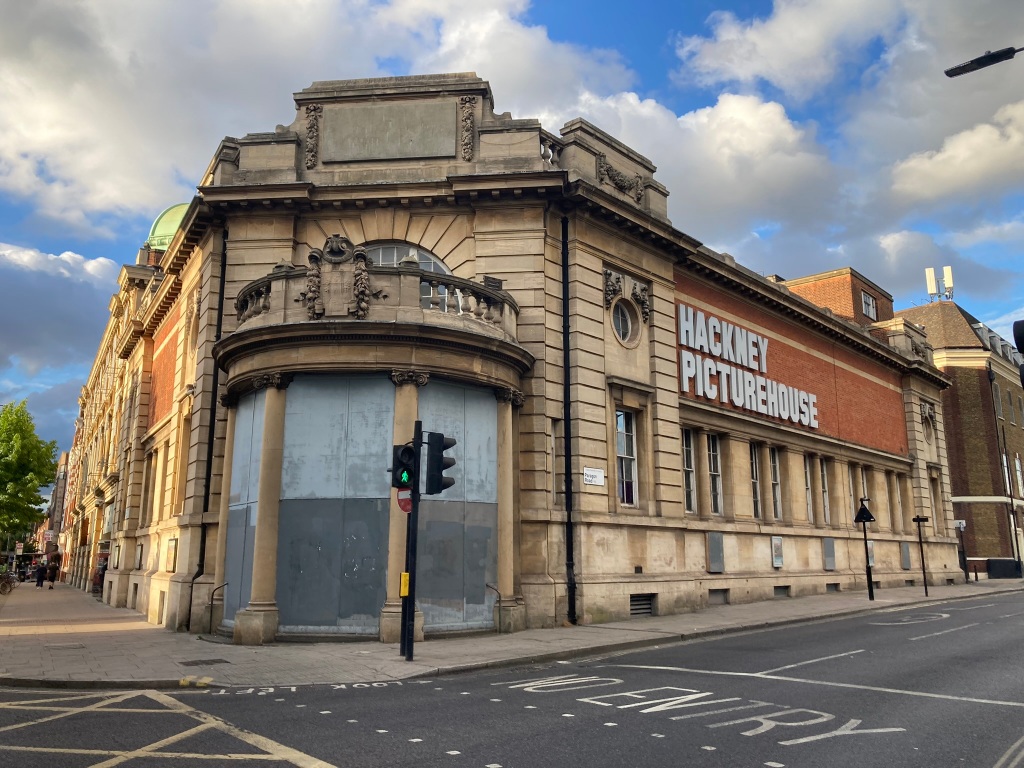
Another great example of turn of the century Ancaster use is in the old Hackney Central Library, shut in the later 1990s and now mainly used by the Hackney Picturehouse cinema but also the Rising Tide music studios. The new Hackney Central Library opened across the road in the Town Hall Square in 1999. “After…
-
45: Ancaster Pt2. The Clapton Round Chapel.
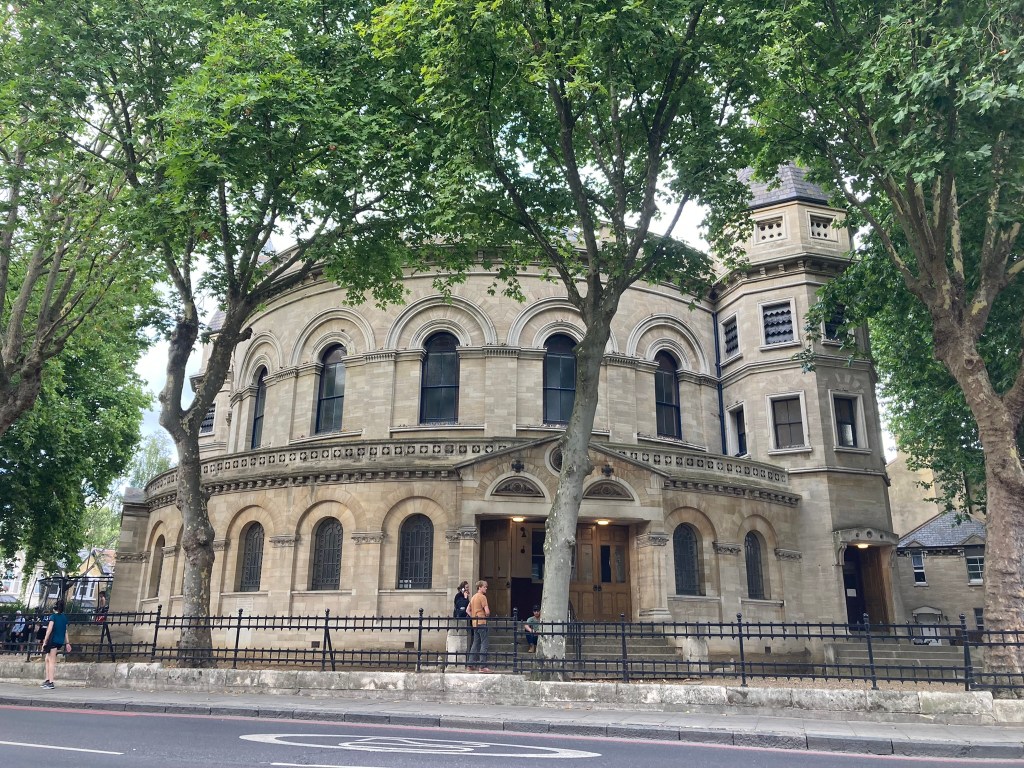
As noted in Part 1 on Ancaster stone and it’s quarries, this Lincolnshire limestone, while used occasionally in London in Roman and Mediaeval periods, became more regularly used in the late 19thC as ashlar building and facing blocks. https://buildinglondon.blog/2022/08/06/44-ancaster-and-its-streaky-bacon-stone-pt1/ It was used for the glorious Midland Grand Hotel at St Pancras Station in 1873 [1]…
-
44: Ancaster and it’s streaky bacon stone! Pt1
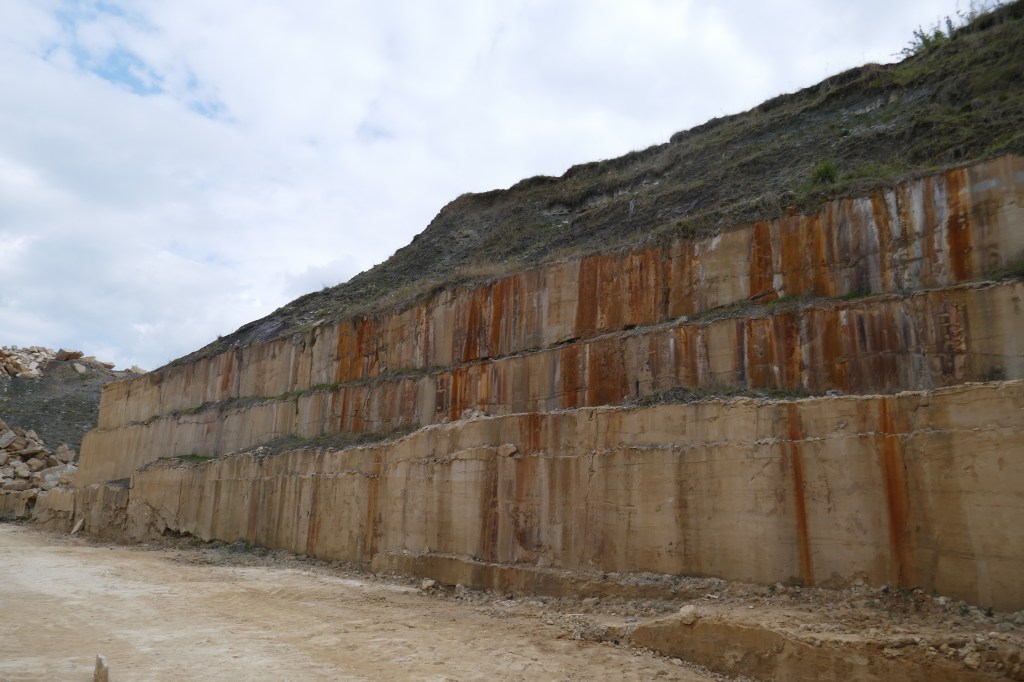
Building London has covered a number of limestones used in London before and Ancaster is another one that was much used in the 19thC. It’s a beautiful stone with rich honey and buff and sometimes blueish streaks that has earned it the nickname ‘streaky bacon’. Ancaster is one of the Lincolnshire Limestones, and, as the…
-
43: Unusual wall in Homerton.
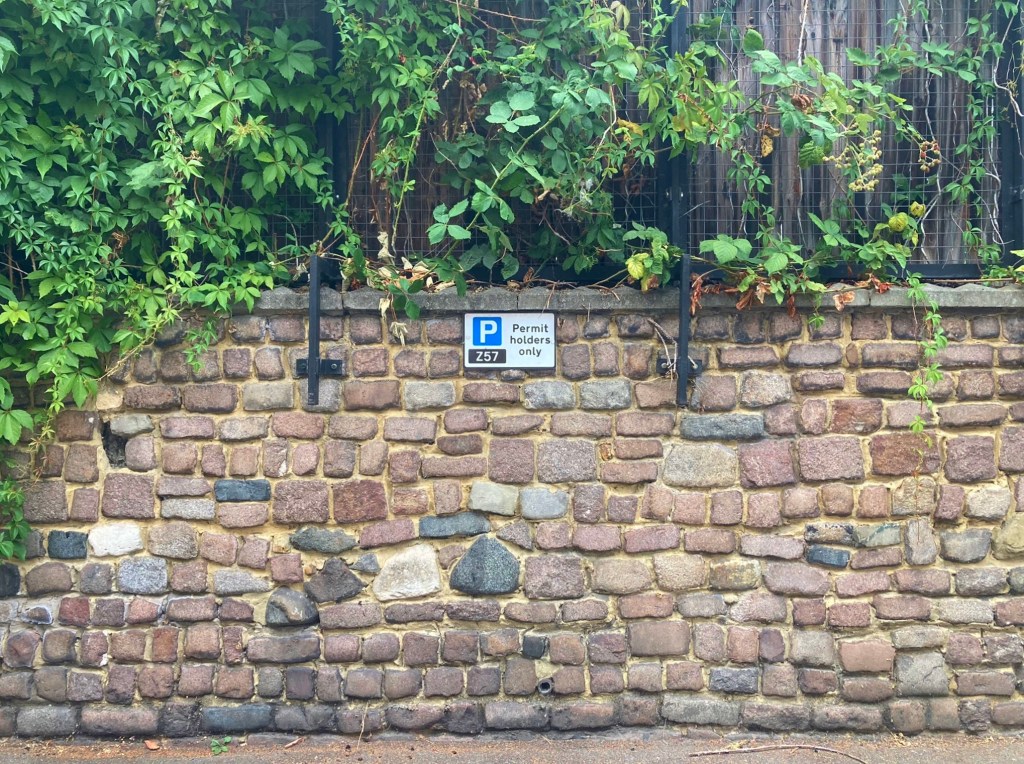
Building London loves an old wall with re-used bricks and stones! 😀 See https://buildinglondon.blog/2021/08/19/10-mile-end-lock-wall/ And there are many old buildings in London, particularly mediaeval churches, that have re-used Roman bricks/tiles and various old stones from older buildings. The mediaeval parts of London Wall are a great example and see see photo here of a re-used…
-
42: The clay that burns! The London Brick Company and the Fletton brick that built much of 20thC London
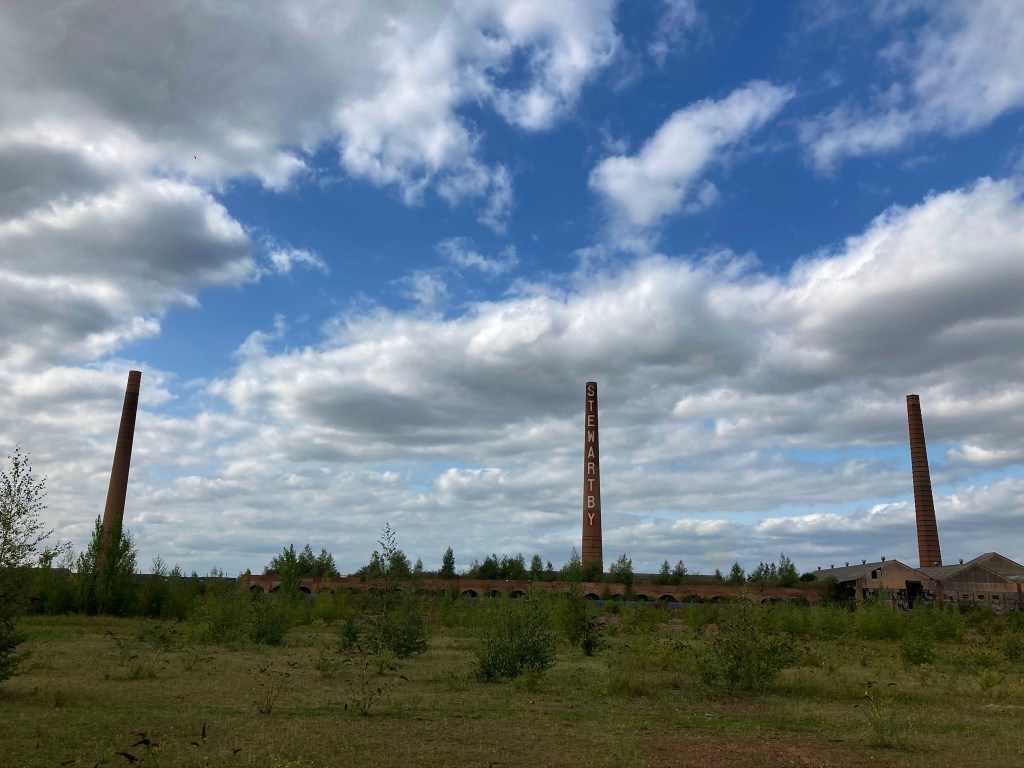
I was born in Bedford in 1962, and growing up there in the 1970s the presence of the London Brick Company [LBC] was all around. From the big red cabbed brick lorries driving through the town to the massed ranks of towering chimneys just to the south of Bedford and all the way to what…
-
41: London’s yellow Stock Brick
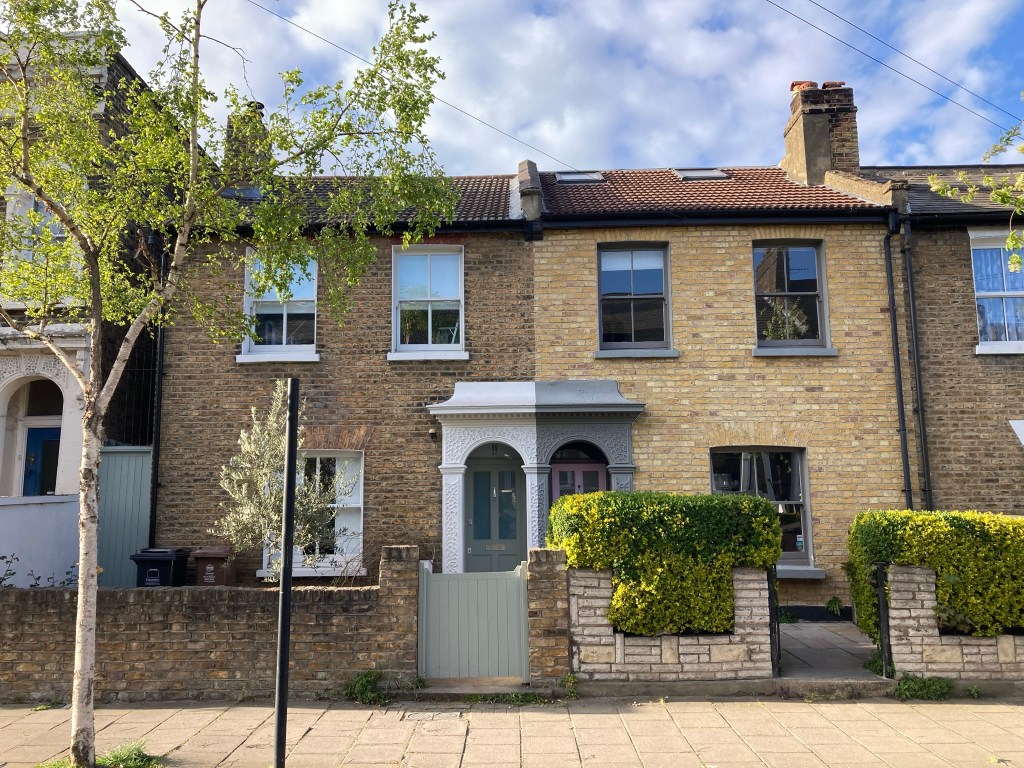
“… went to search for brick-earth” John Evelyn [1]“… the Earth about London, rightly managed, will yield as good Brick as were the Roman Bricks, (which I have often found in the old Ruins of the City) & will endure, in our Air, beyond any Stone our Island affords” Christopher Wren [2] Bizarrely, maybe, the…
-
#40 Collyweston slate Part 2 – The stone and a visit to the Claude Smith mine!
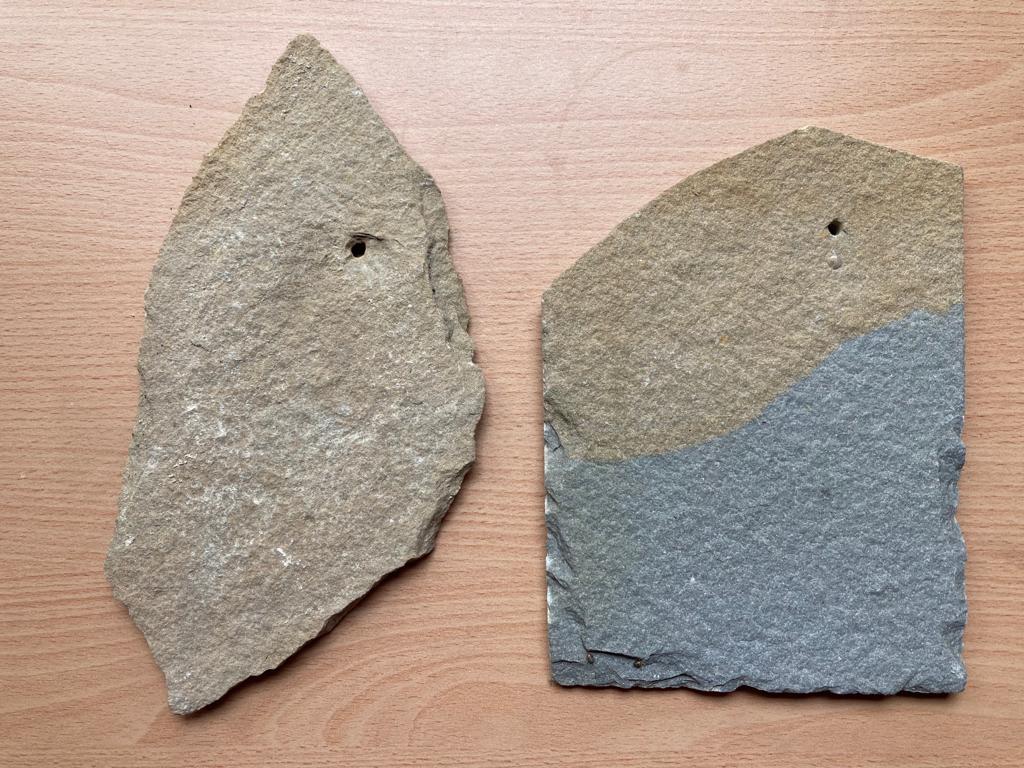
The previous Building London blog post, https://buildinglondon.blog/2022/05/24/39-collyweston-slate-part-1-the-city-of-london-guildhall-roof/ looked at the use of Collyweston Slate on the roof of the City of London’s Guildhall and even though while the Building London blog only concerns building materials used historically in London, and it is not at all certain that Collyweston was used on Guildhall before 1953, because…
-
#39 Collyweston slate Part 1 – The City of London Guildhall roof
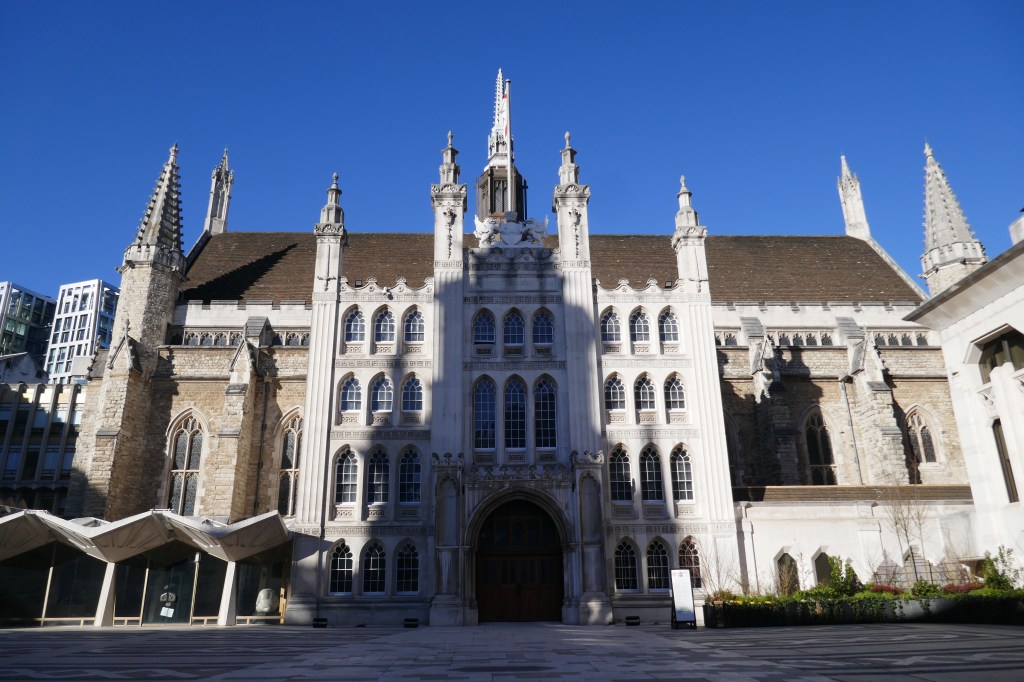
Building London has posted about Guildhall before, see https://buildinglondon.blog/2022/04/01/36-the-simply-gorgeous-guildhall-crypts/, one of London’s oldest, finest and most interesting buildings, and this post is about the magnificent Guildhall roof, covered with rare Collyweston limestone ‘slates’ from Northamptonshire! And it’s a mystery when it was first covered in these fascinating slates, and that’ll be discussed in part 1,…
-
38: The alcoves of Old London Bridge
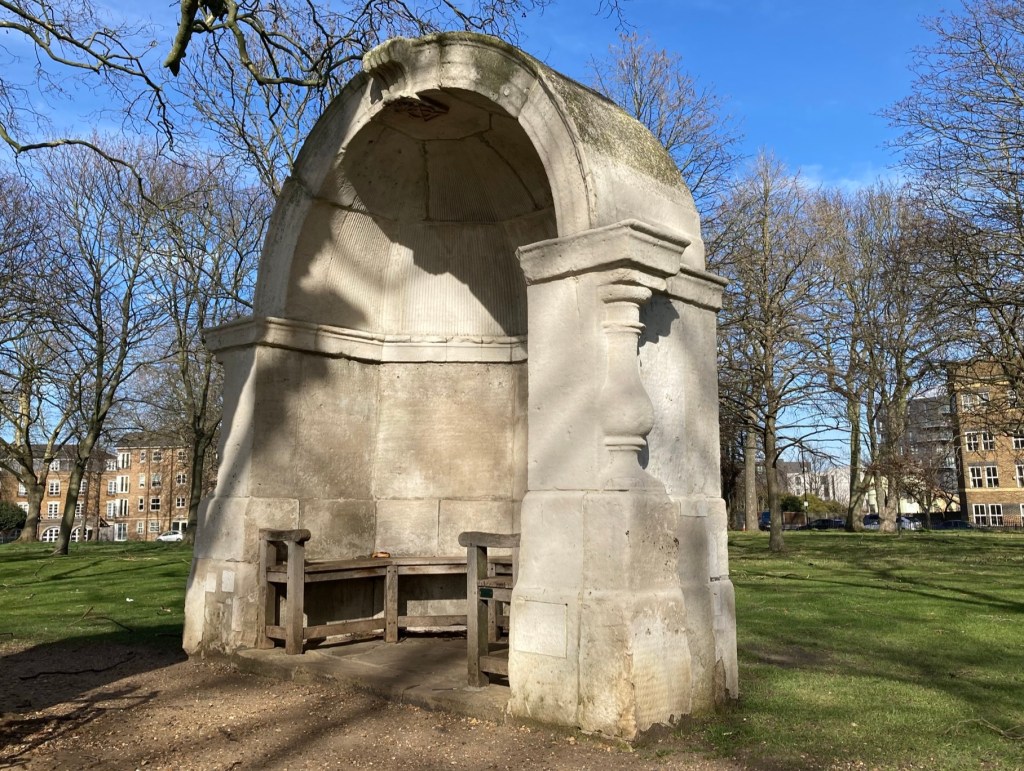
One of the most obvious surviving relics of the Old London Bridge, ( though are they? read on! 😀 ) are the shell-like alcoves or shelters of the 1759-62 Portland stone faced bridge, that replaced the more famous bridge with it’s fantastic houses, gatehouses and chapel which was knocked down between 1758/9. But the ‘new-old’…
-
37: The mystery of the Three Mills stones!
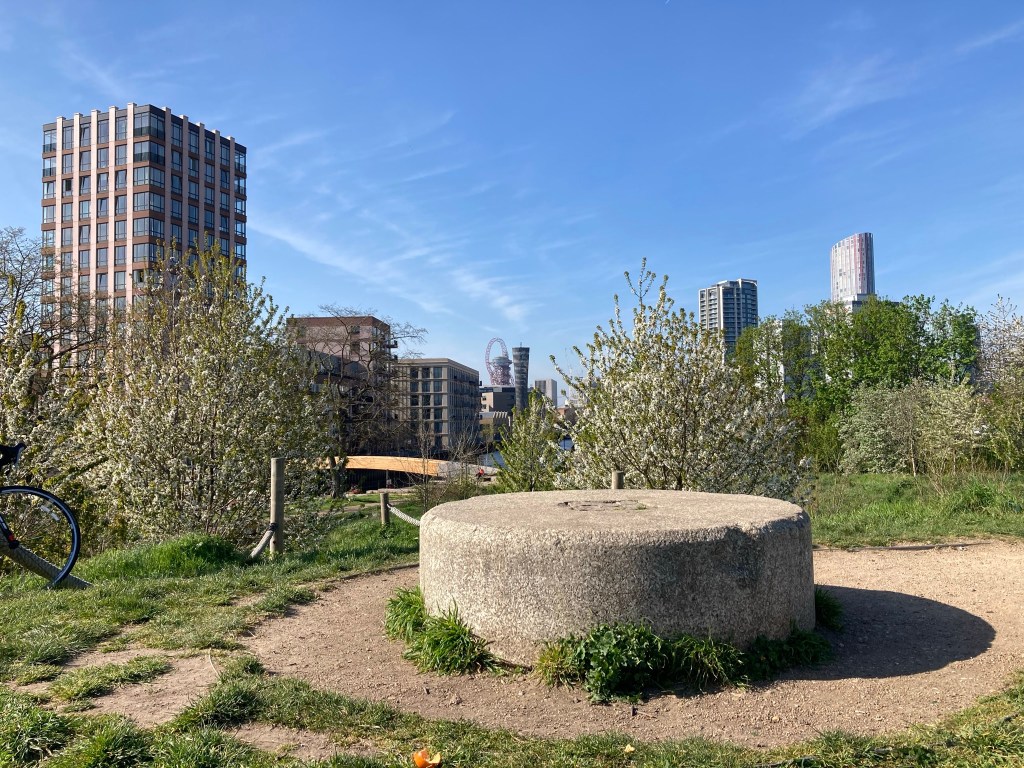
Three Mills Island is a wonderful site for anyone interested in historical buildings and materials. [1] The Building London blog has already covered the magnificent granite paving by the Millhouse, itself full of historical building materials which, along with the associated buildings, will be blogged about on Building London in the future. https://buildinglondon.blog/2022/01/03/27three-mills-granite/ But behind…
-
36: The simply gorgeous Guildhall crypts
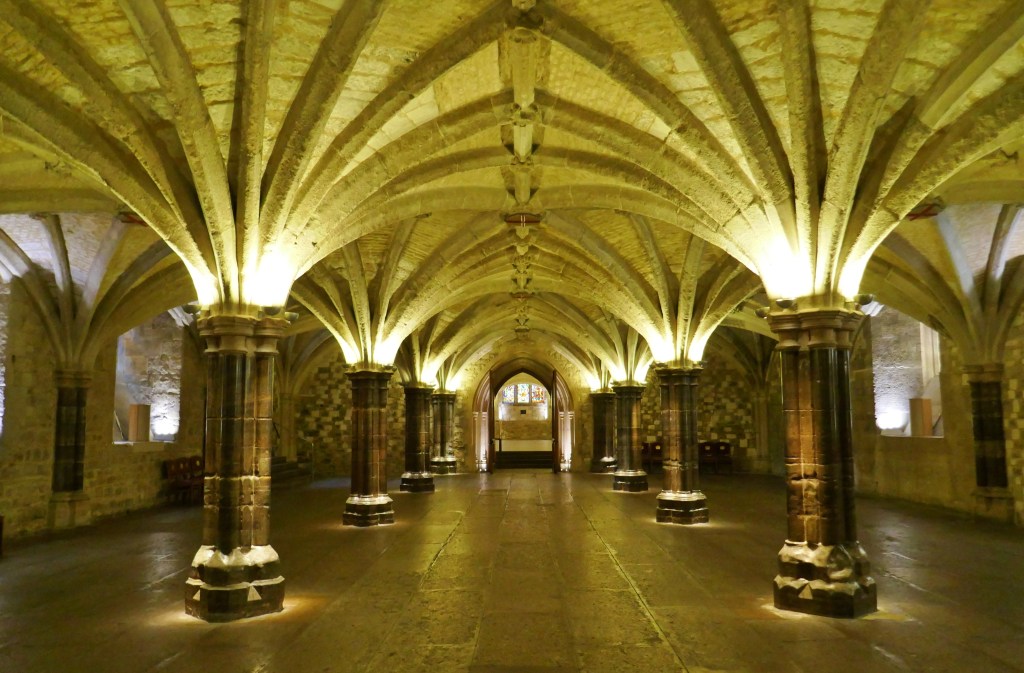
The most exciting event so far on the London end of the Building London blog, as opposed to standing in, rowing across or gazing out of vast quarries in Devon, Cornwall, the Midlands or Wales, has been my, er, discovery of the Guildhall crypts! I had asked for, and received permission, to inspect and photograph…
-
35: London Bridge at Ingress. Part 2 – The Cave of the Seven Heads.
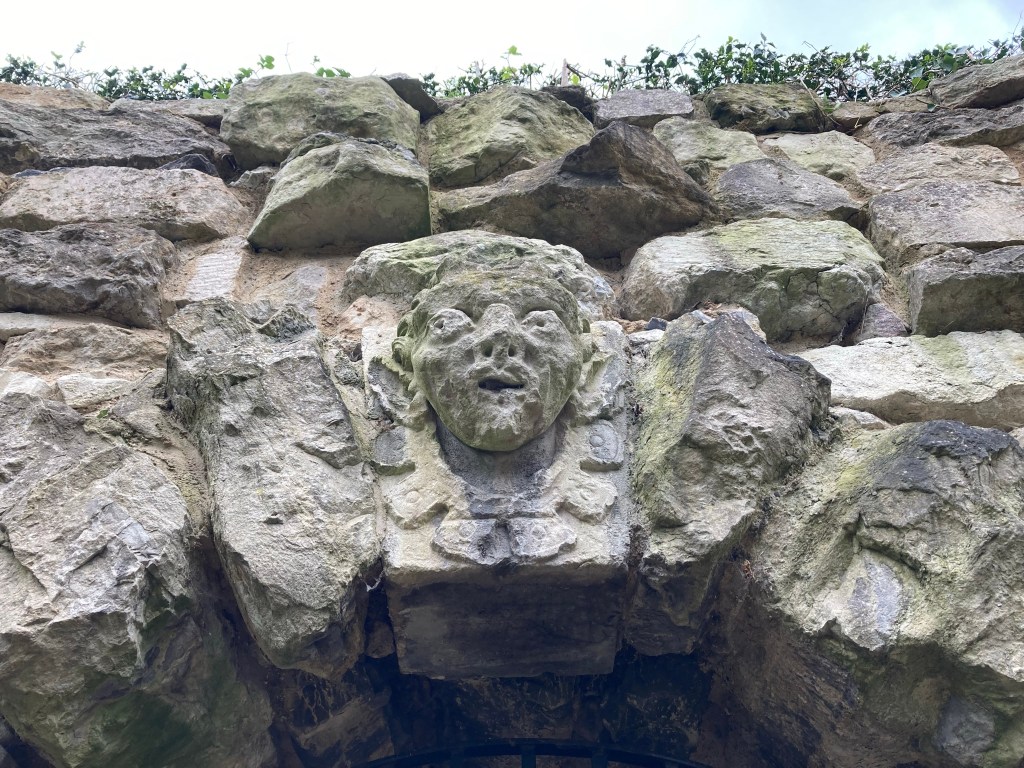
Ingress Park at Greenhithe in Kent is full of 19th and 18thC follies and tunnels and caves associated with Ingress Abbey and the previous house that stood on that site. See previous post https://buildinglondon.blog/2022/03/20/34-london-bridge-stones-at-ingress-abbeypart-1/ However in terms of the remit of the Building London Blog, relevance to London’s building materials, one of these stands out……
-
34: London Bridge stones at Ingress Abbey?Part 1
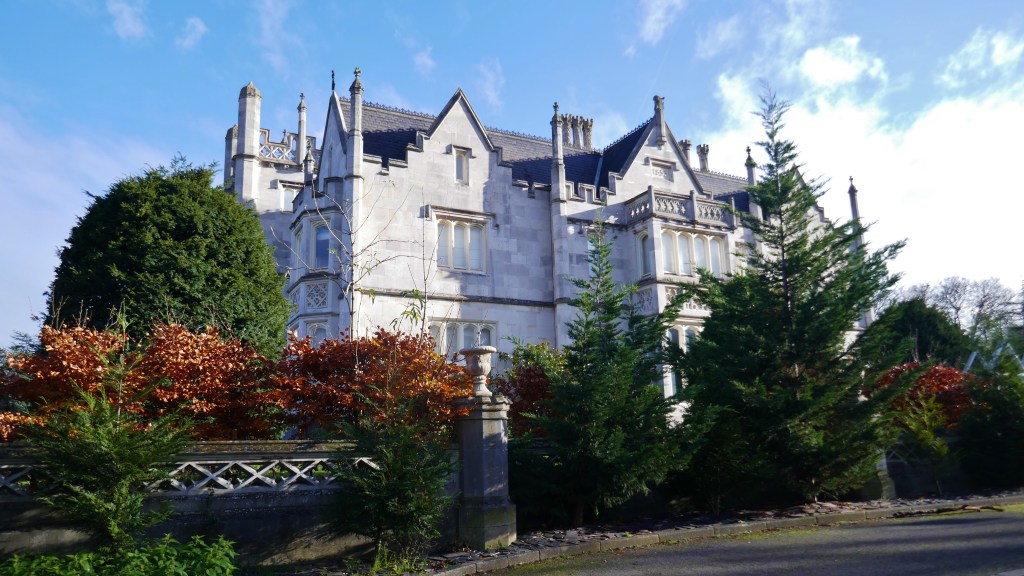
It has been said that the largest amount of the Old London Bridge [ see https://buildinglondon.blog/2022/02/15/30-old-london-bridge-part-1/ ] that was to be re-used ended up down the Thames at Greenhithe in North Kent, for the building of Ingress Abbey and maybe some local walls, and some other bits and pieces, as noted by the Londonist and others.…
-
33: Old London Bridge at Wandsworth Common
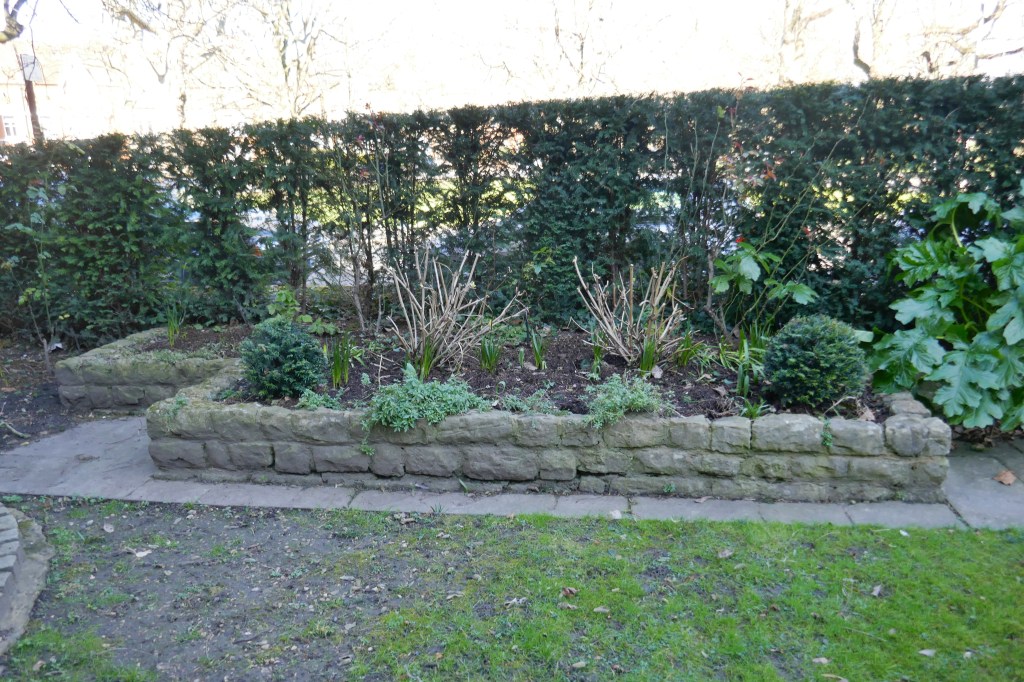
One of the best places to see some of the, and I think original, stones of the Old London Bridge, is on the north-west corner of Wandsworth Common. Though to be honest it’s not that exciting! [1] [2] There’s a row of large Edwardian houses, built in c.1908, that have their front garden walls constructed…
-
32: Stones of Old London Bridge at Beaumont Quay
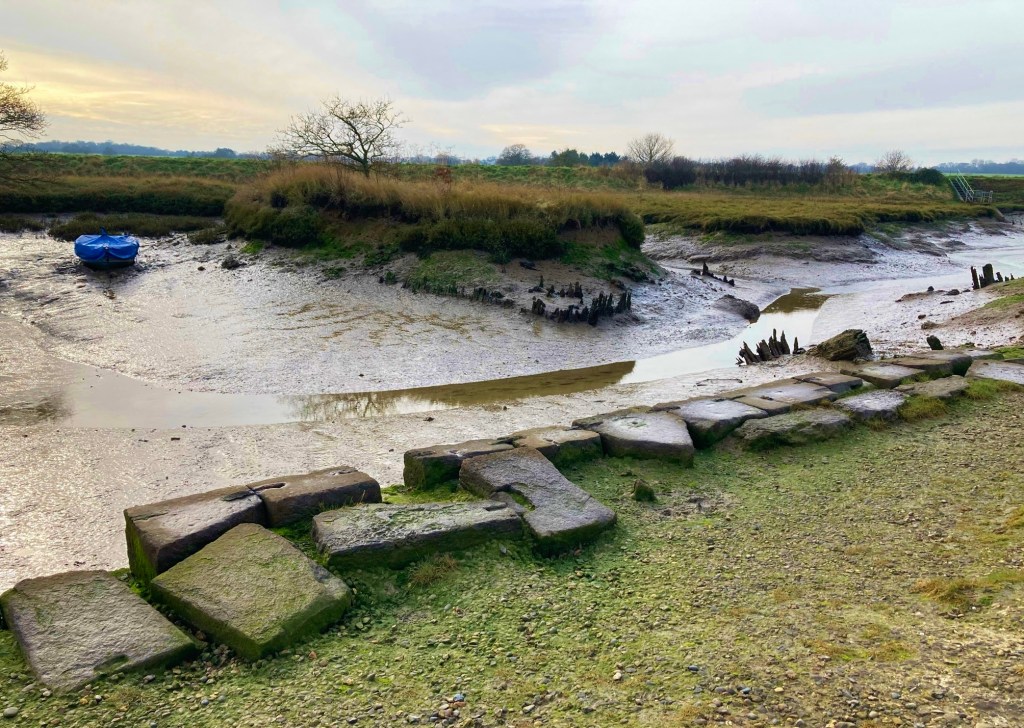
Out on the bleak North Sea coast marshes of Essex stands the abandoned Beaumont Quay, sat forlornly at the end of the mile long silted up tidal Beaumont Cut [1] that sliced through the estuary mud, marsh lands and hundreds of islands of the massive Hamford Water National Nature Reserve and RAMSAR site [3] [4]…
-
31: Old London Bridge: Part 2
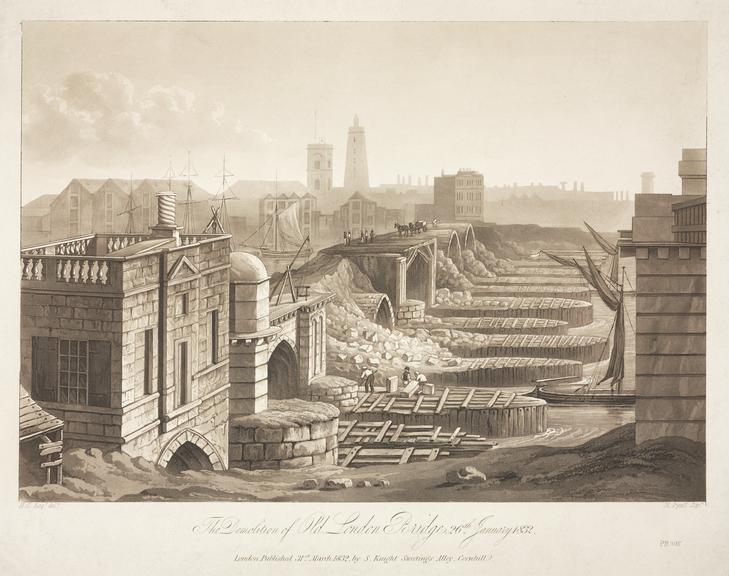
Part one of this two part post on the Old London Bridge that existed from 1196 to 1832, concentrated on what it was built and rebuilt from. see Part 1 here https://buildinglondon.blog/2022/02/15/30-old-london-bridge-part-1/ This much shorter second part of the post is going to list what happened to it all the bits after it was demolished!…
-
30: Old London Bridge: Part 1

A two part post on the Old London bridge … This blog has already done a couple of posts on the building stones that was used in the new London Bridge, the abandoned corbels on Dartmoor that were surplus to the widening in the early 1900s and the engraved pillar at Pickets Lock and there…
-
29: Charnwood Forest ‘granites’ Pt.1. Bardon Hill ‘granite’.
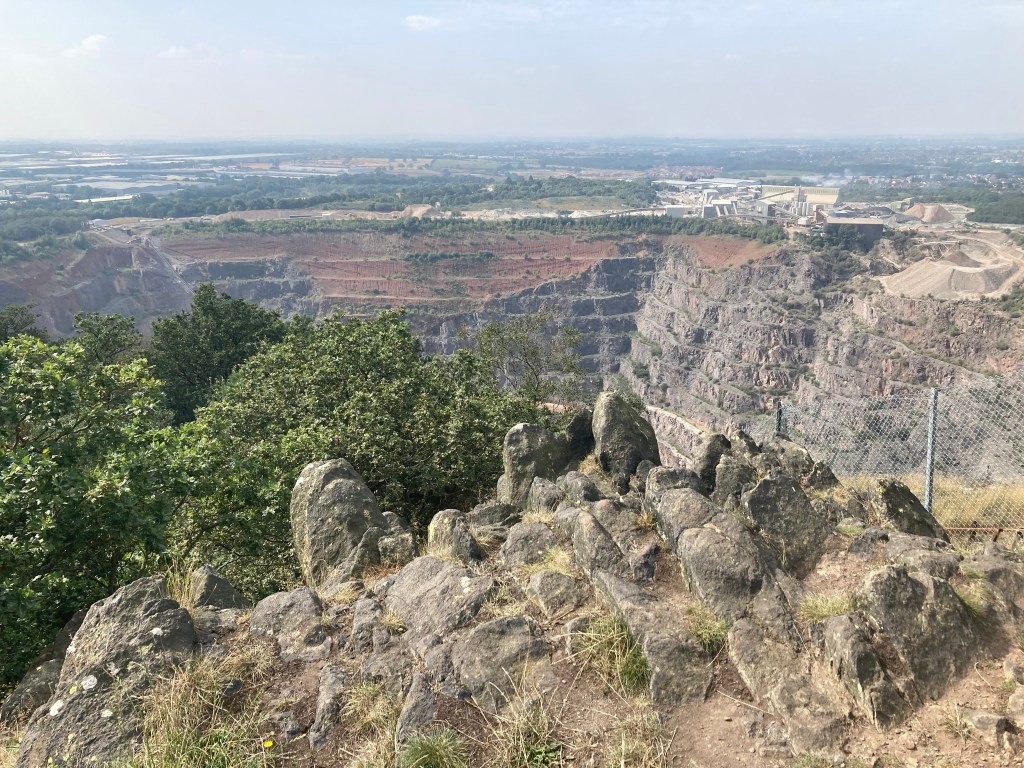
“The streets are not paved with gold in London, they are paved with Leicestershire granite” From an ancient volcano and one of the most spectacular hills in the Midlands of England comes one of the most common materials used to build London, the ‘granite’ roads chips that we walk, cycle and drive over every day…
-
28:Three Mills granite
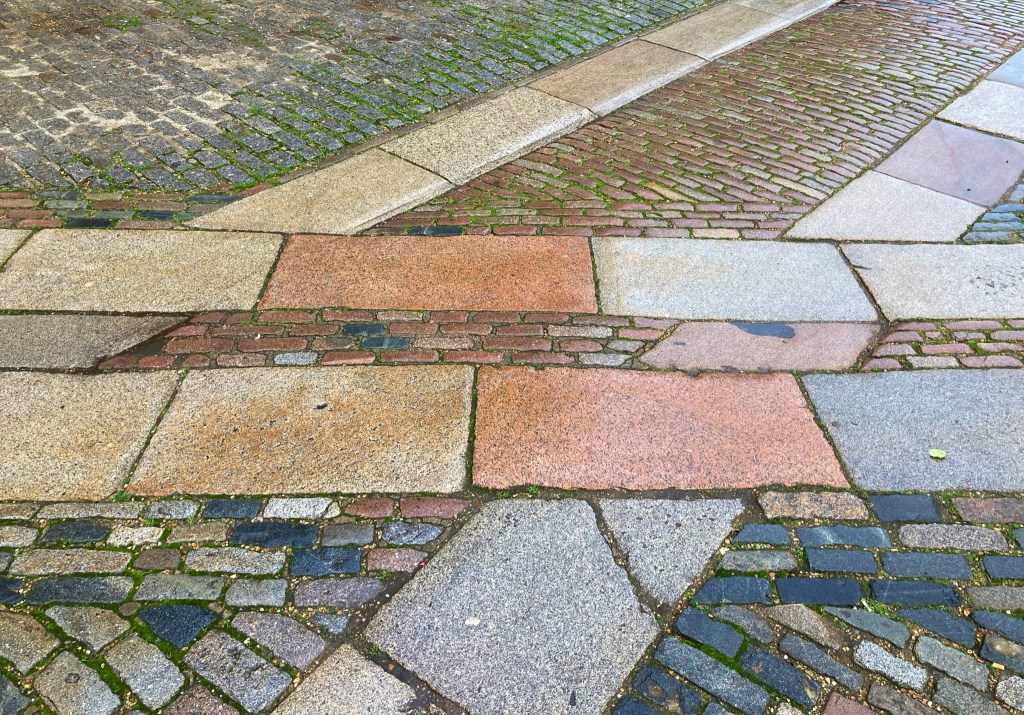
Three Mills is an historic milling, distillery and industrial site on the Lower Lea, technically in Newham but with more links historically to Bromley by Bow in Tower Hamlets. It’s been the site of various tide and wind mills and distilleries since the 11thC and in the 1776, Grade I listed building House Mill, has…
-
27: The historic road setts of Lamerton and Albury Streets in Deptford aka ‘Lewisham! Leave those setts alone!’
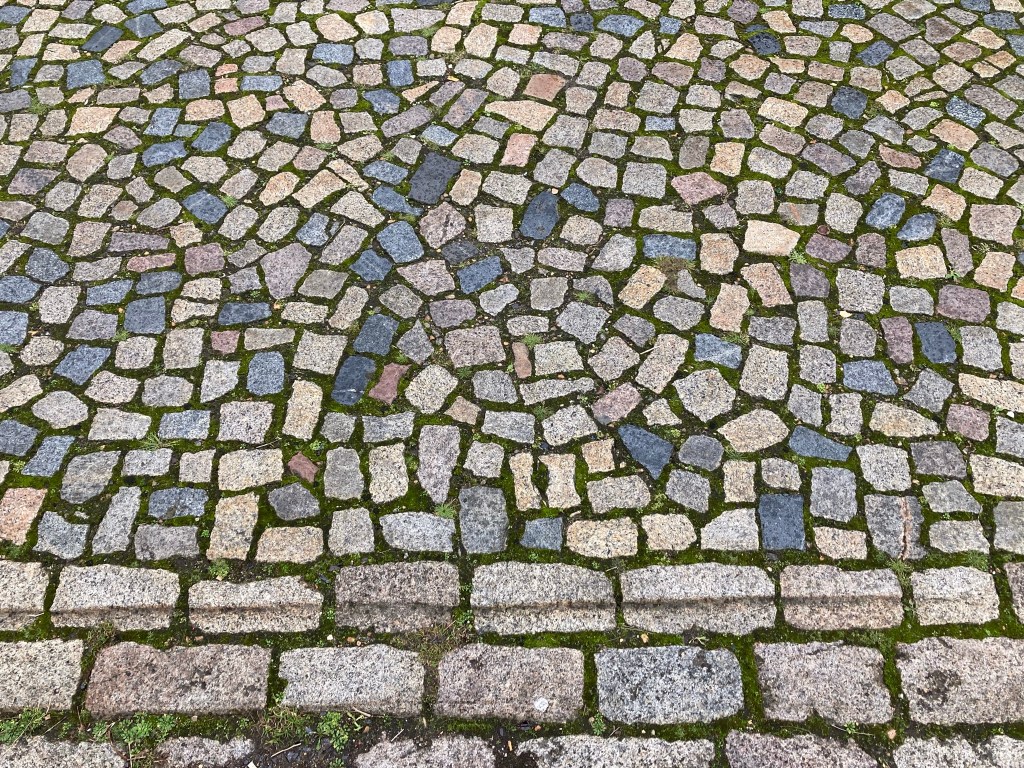
This post was originally just about how beautiful are the swirling granite setts of Albury and Lamerton Streets in Deptford. But then I saw they are under threat threat of ‘tidying’! So what was once just going be a homage became an historical investigation and a plea! First some history: Albury Street is one of…
-
26: Granite setts at the Middlesex and Essex Filter Beds
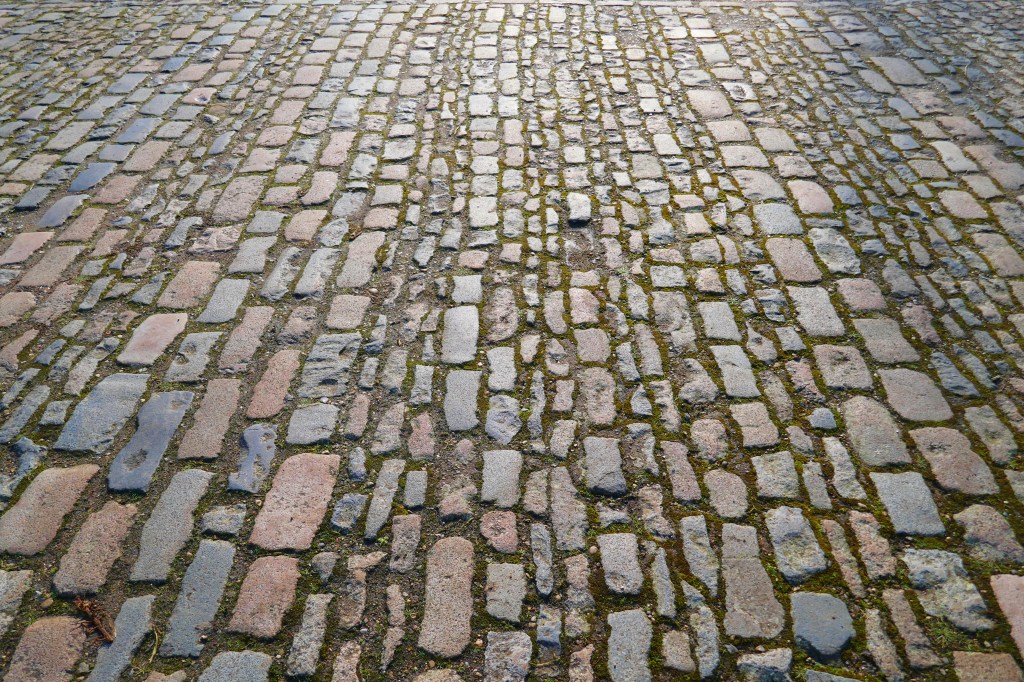
The Middlesex and Essex Filter Beds are nature reserves either side of the Lea Lea at Leabridge in east London, both built in the 19thC as part of the Lea Bridge Water Works of the East London Waterworks Co. and I’ve blogged about the Middlesex Filter Beds before for it’s magnificent granite Natures Throne at…
-
Subscribe
Subscribed
Already have a WordPress.com account? Log in now.
 Building London - what London is made from and where it came from!