74: Return to Luxulyan: Rock Mill Quarry
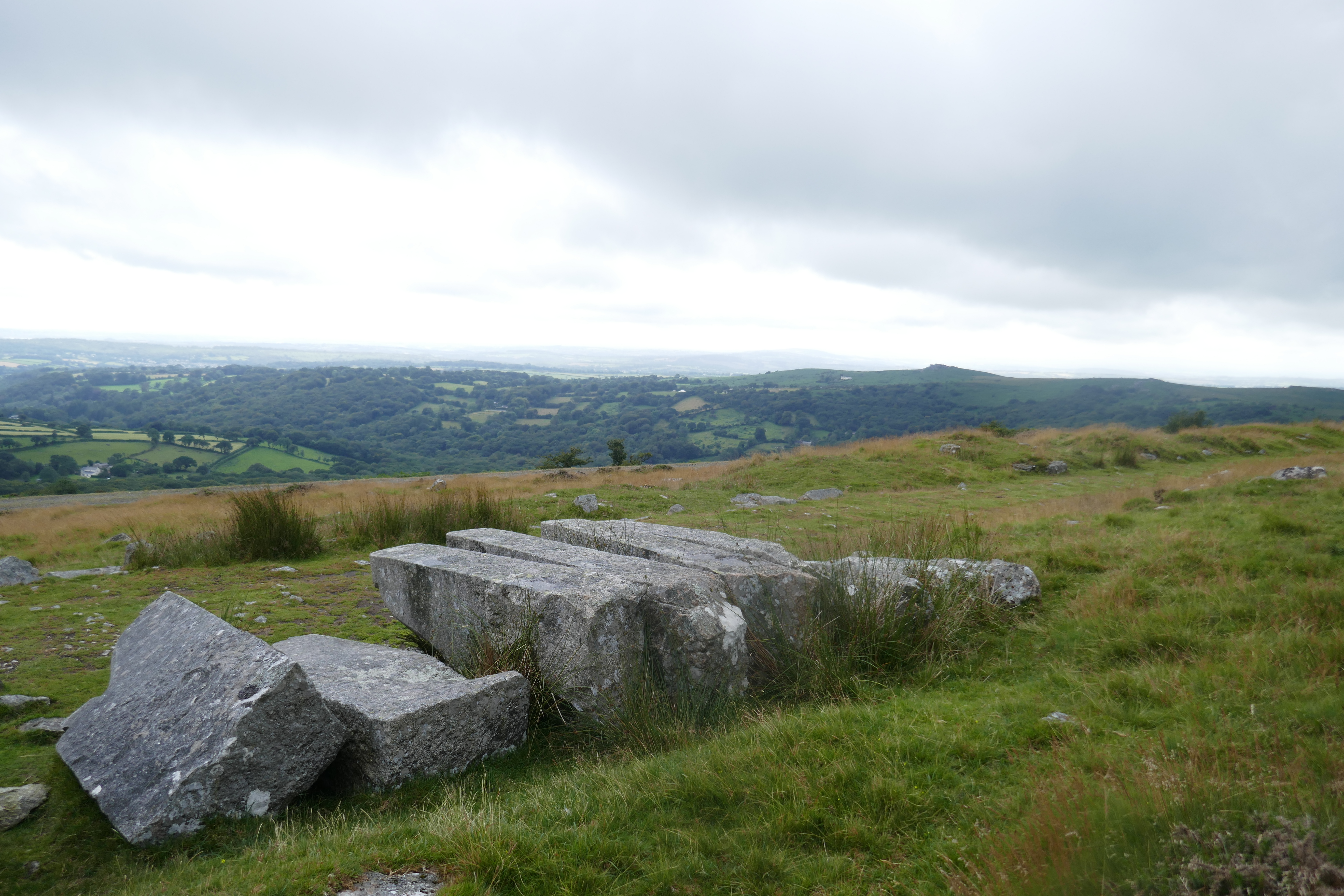
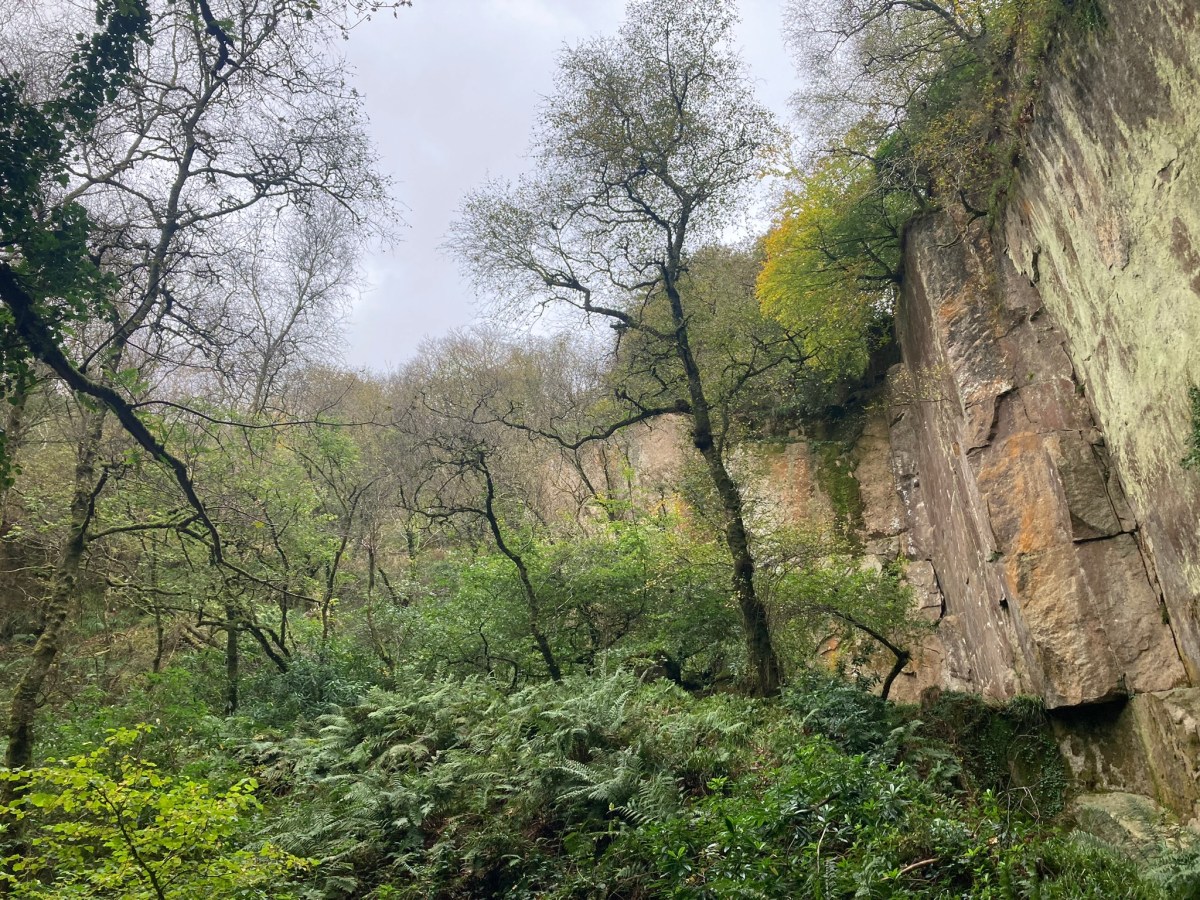
When Building London visited the awesome Luxulyan Valley, [1] “the deep and romantic gorge known as the Luxullian or Rock Valley,” [2] with it’s incredible 1842 Treffry viaduct, in 2021, as the valley was a major source of 19thC London building granite, being used in the John Rennie’s 1831 ‘New London Bridge’, now mainly in…
73: London Bridge … at Kew Gardens!
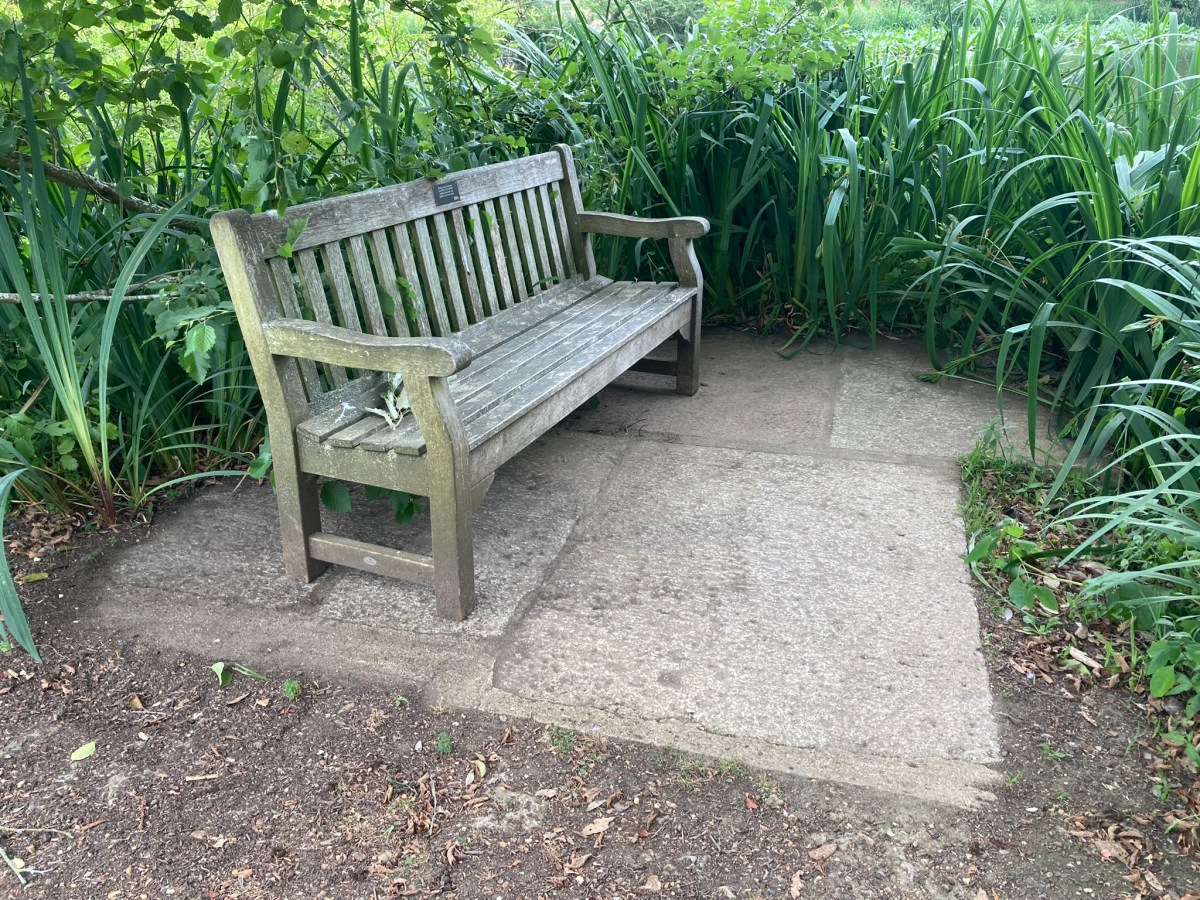
Another set of the stones identified by Vic Keegan years ago are at Kew Gardens. Keegan states “John Mowlem, the building company which demolished the bridge offered some of the surplus granite blocks – it had around 200 in all with an average weight of two tons – to Kew Gardens. Kew took four of…
72: More of London Bridge, or maybe not! … at Barking!
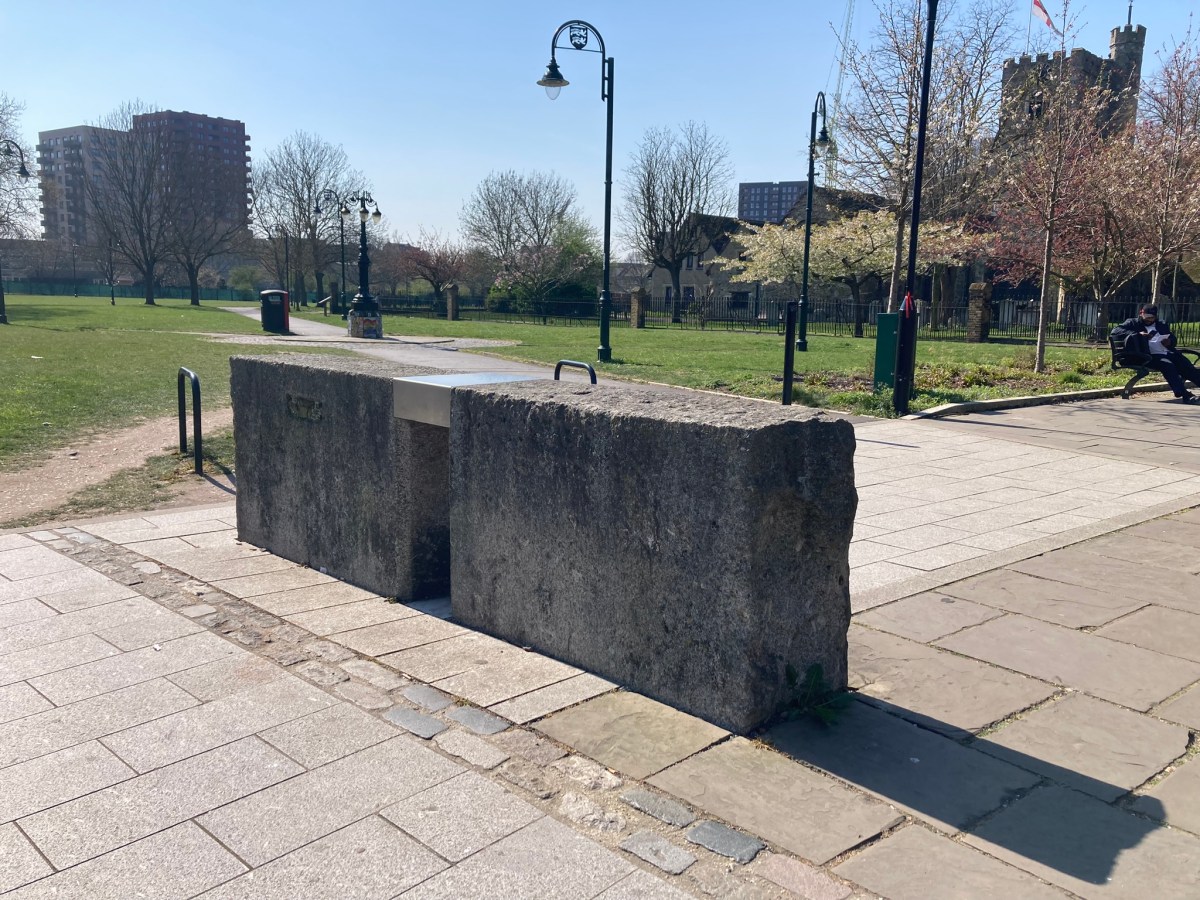
The Building London blog has blogged a lot about the wide dispersion of bits of the various London Bridges before, and here in Barking are a couple of granite blocks from Rennie’s bridge, or maybe not! Read on! See https://buildinglondon.blog/2022/02/22/31-old-london-bridge-part-2/ but note these discoveries follow other’s leads, listed below. So are they from London Bridge?…
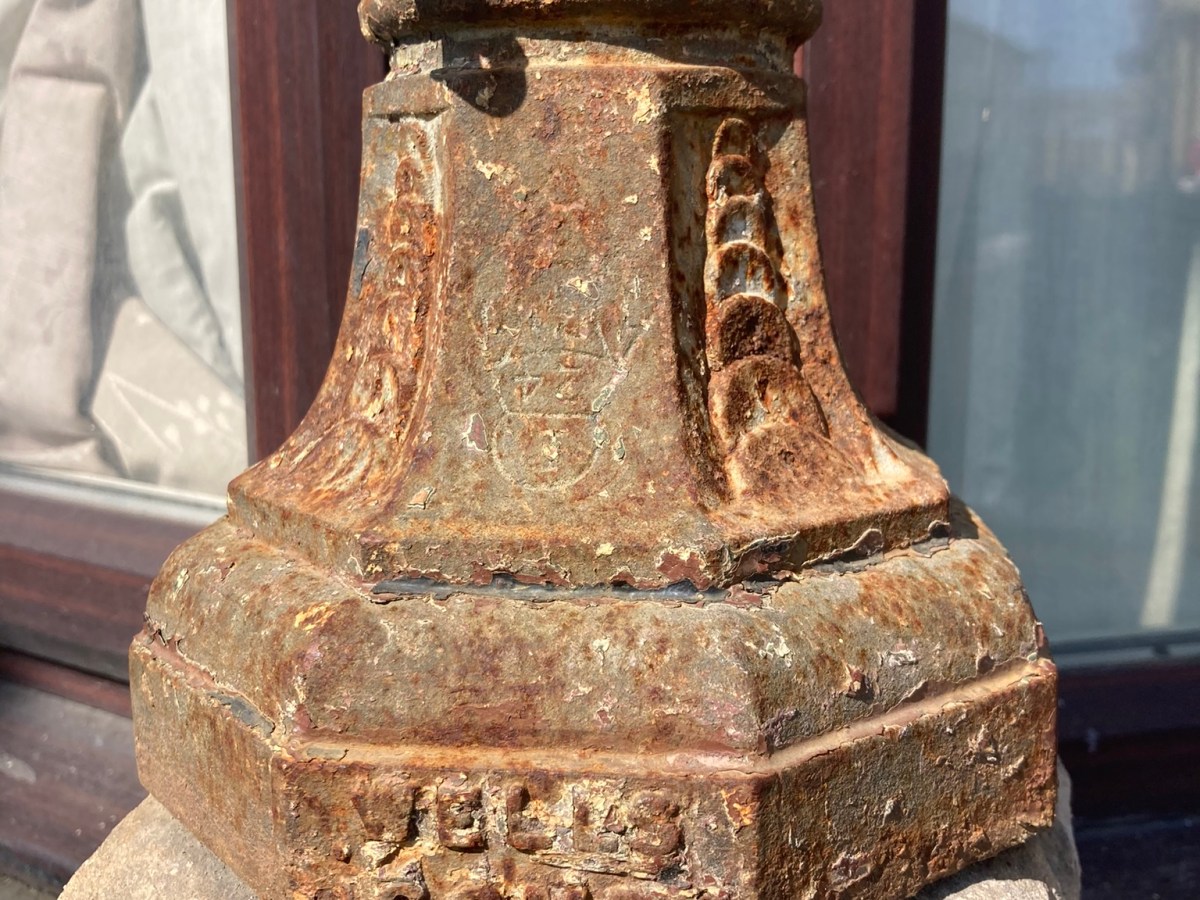
71: Wells & Co, Shoreditch.
Recently spotted on a 19thC house in Linscott Road in Lower Clapton was this iron bay window pillar/support column. Unusually it had been left unpainted after a century of paint had been removed and so by chance a brand could be seen on it, ‘WELLS COMP’. There is nothing online refering to any ‘WELLS COMP’…
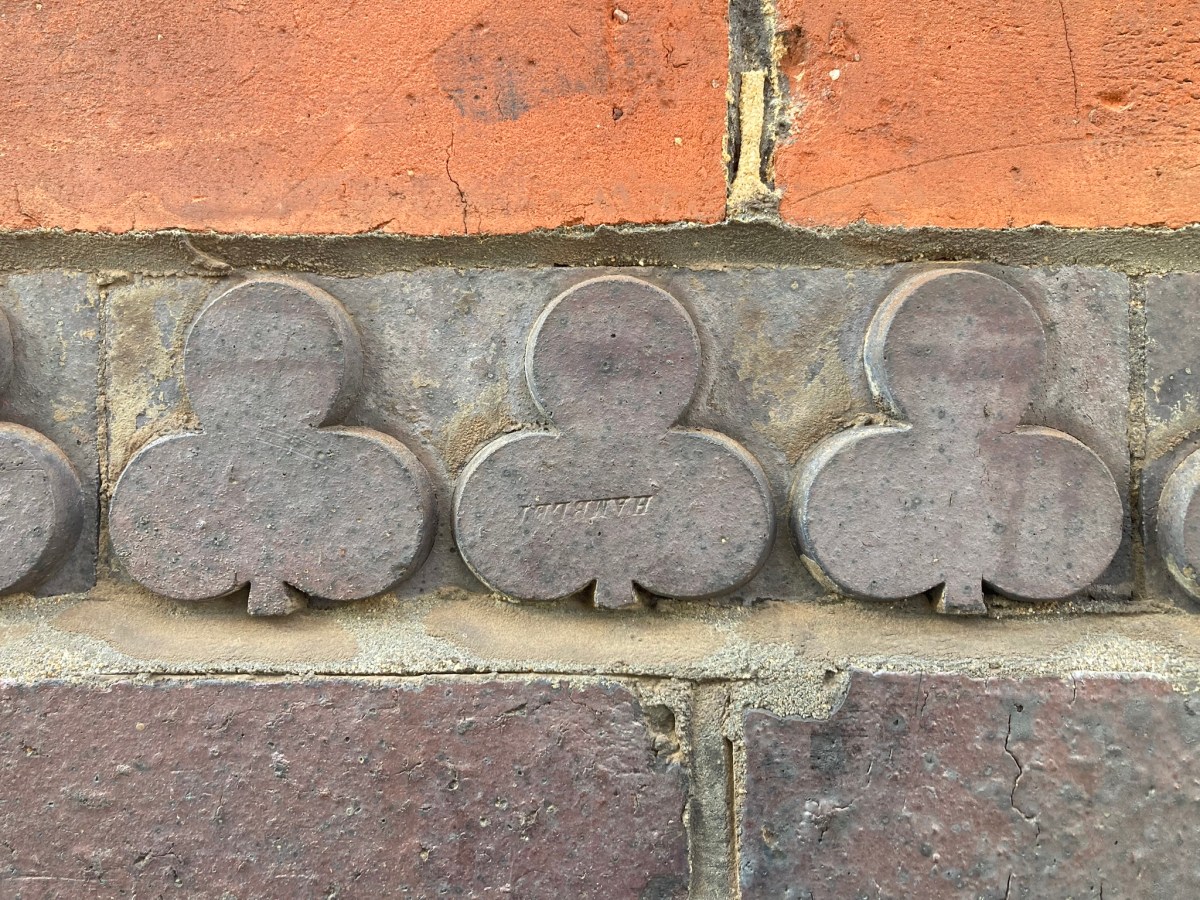
70: Joseph Hamblet ‘blue brick’ tiles, Tooley St.
Walking along Tooley St and these blue brick tiles on a 19thC warehouse jumped out. [1] And immediately noticed they were stamped, and stamped backward, though not until after, when looked at in more detail was it spotted what there were. And no idea why they would have been stamped backward or why the contractor…

69: 18thC cobble road, Grove Terrace, Dartmouth Park.
Readers will know this blog has a particular interest in old/ancient pavement and has previously suggested that the cobbles and boulders of Upper Watergate Street in Deptford may be the oldest visible and active, road surface in London – [ this bold assertion is still unchallenged! 😀 ] – and noted another very old pavement…
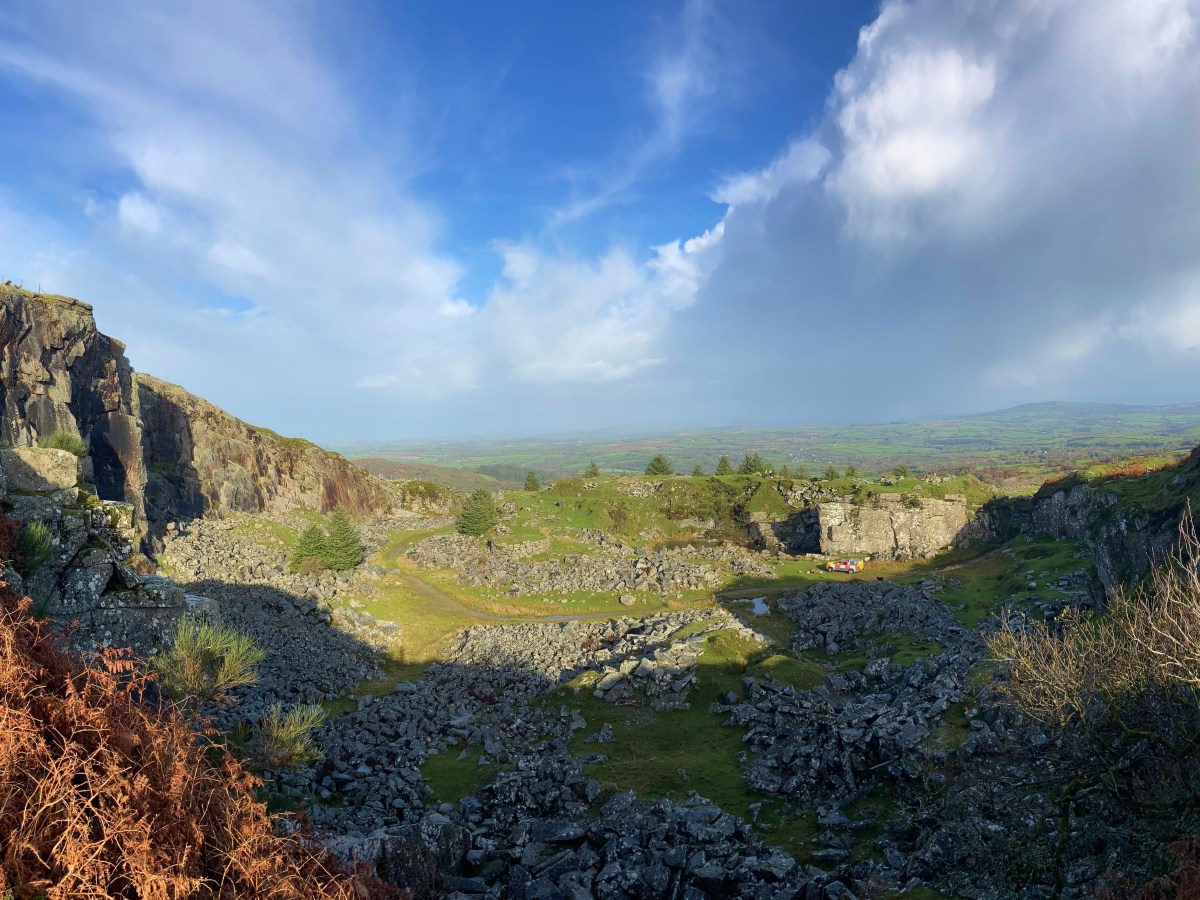
68: Return to Cheesewring
Building London first visited Cheesewring Quarry sited on the south east of Bodmin Moor in 2021 https://buildinglondon.blog/2021/08/15/7-cheesewring-quarry-on-bodmin-moor/ and returned recently. The Cheesewring quarry is near the village of Minions in Liskeard in Cornwall, once the centre of intense mining, of copper and quarrying. [1] The quarry supplied large amounts of the granite that was used…

67: Merrivale Quarry
Intro Merrivale Quarry, opened as Tor Quarry in 1874, sits above the hamlet of Merrivale on the western flanks of Dartmoor, [1] [2] and across the valley of the river Walkham from Foggintor [3] and Swelltor quarries [4] and like it’s neighbours played an important, though generally more recent, role in building London. Like Foggintor…
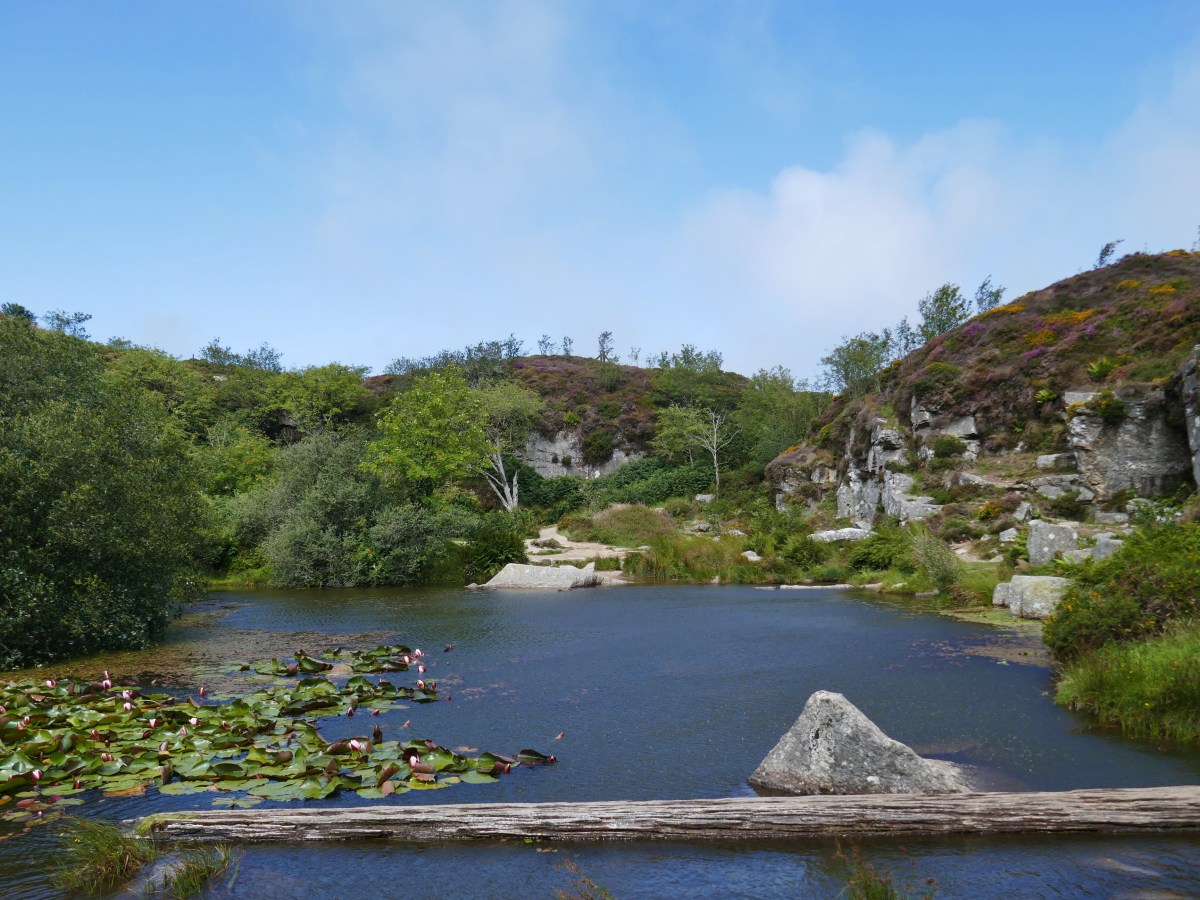
66: Haytor Quarry, Dartmoor.
Haytor ( aka Hey Tor ) on the east of the Dartmoor plateau in Devon, near Bovey Tracey, is one of the most famous of Dartmoor’s granite Tors, remnants of 260-290 million year old igneous plutonic intrusions, [1] and the Haytor quarries beneath the tor are famous for their role in building London. Haytor refers…
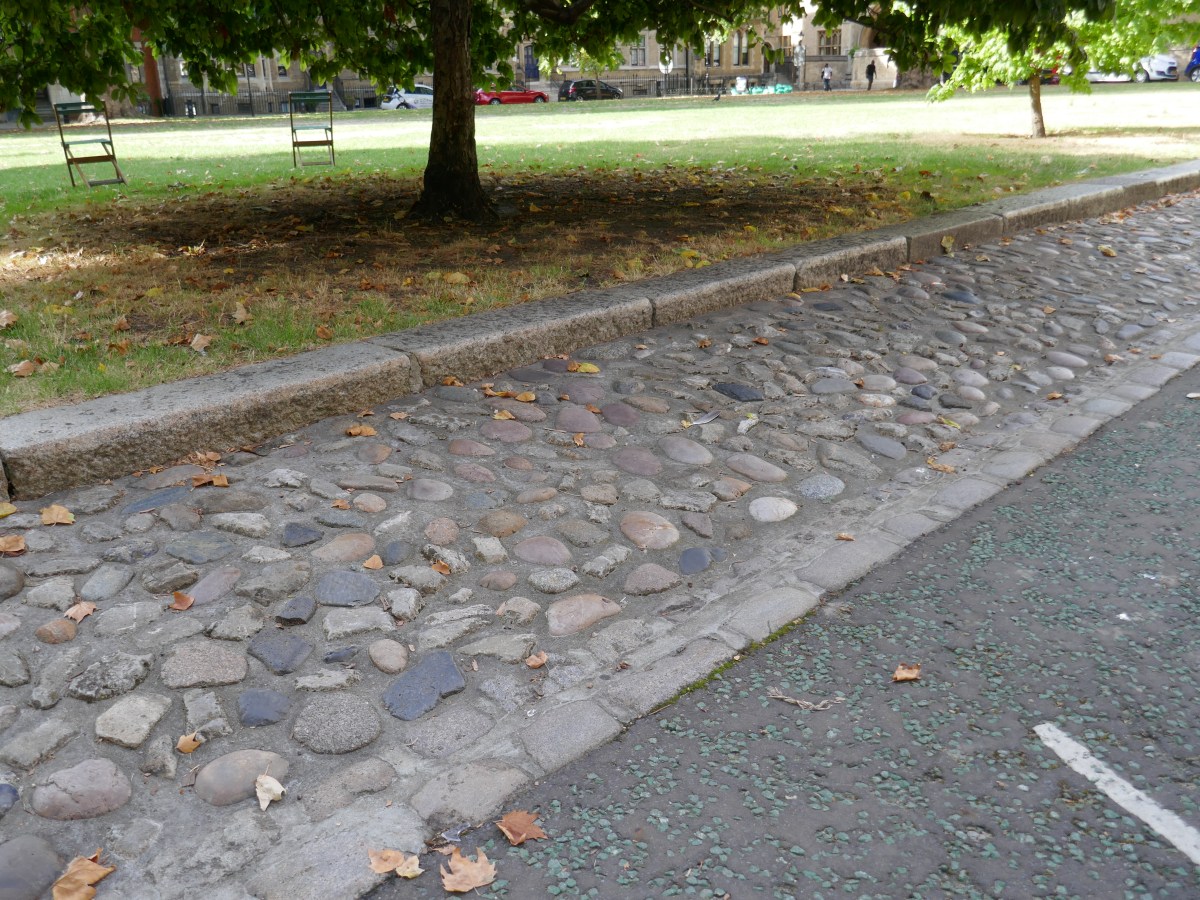
65: The cobbles of Dean’s Yard, Westminster.
Building London loves old paving. It’s may be only 2 dimensional, it doesn’t soar and it’s usually only one material but it can be quite beautiful as well as functional and utilitarian. The patterns seen at e.g. Albury Street in Deptford or Three Mills Island show that gloriously. But it can be both hard to…
Something went wrong. Please refresh the page and/or try again.
Follow My Blog
Get new content delivered directly to your inbox.
 Building London - what London is made from and where it came from!